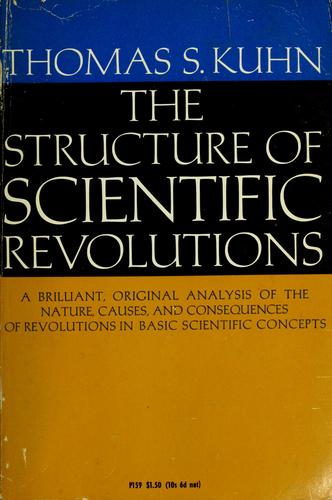
The Structure of Scientific Revolutions
Thomas S. Kuhn, Dennis Holland
Summary (Spoiler-Free)
In 'The Structure of Scientific Revolutions,' Thomas S. Kuhn introduces a groundbreaking framework for understanding the evolution of scientific paradigms. Through a rigorous examination of how scientific disciplines undergo shifts in fundamental theories, Kuhn challenges the traditional linear view of scientific progress. This thought-provoking work invites readers to consider the complexities of scientific change and the sociocultural factors that influence it, making it a pivotal text in the philosophy of science.
Who Should Read This
If you have a keen interest in philosophy and the intricacies of scientific thought, this book offers a compelling perspective that will resonate with you. It’s particularly suited for readers who enjoy contemplating the nature of knowledge and the dynamics of intellectual revolutions.
Frequently Asked Questions
Is 'The Structure of Scientific Revolutions' part of a series, and how does it fit into the reading order?+
This book is a standalone work and does not belong to any series. Readers can approach it independently without needing prior familiarity with other texts. However, it is often recommended alongside other philosophical works that investigate science and knowledge, as it provides a foundational understanding of how scientific paradigms shift. This makes it accessible to those new to the topic, while also offering depth for seasoned scholars.
What is the intended audience for this book, and are there any content notes to consider?+
The book is primarily aimed at students, scholars, and general readers interested in philosophy, science, and the history of ideas. It discusses concepts that may require some background knowledge in scientific theory and philosophy, but Kuhn's engaging writing style makes complex ideas more approachable. Readers should be aware that the text delves into debates surrounding scientific practices and theories, which might challenge conventional notions of objective scientific progress.
Are there any adaptations of this book available, such as audiobooks or films?+
Currently, 'The Structure of Scientific Revolutions' has not been adapted into a film or television series. However, it is available in various formats, including print and digital editions, and there are audiobook versions that capture its essence. These formats allow readers to engage with Kuhn's ideas in a way that suits their preferences, making it easier to digest the profound concepts he presents.
What distinguishes this book from others in the philosophy of science genre?+
This book stands out for its introduction of the concept of 'paradigm shifts,' which has become a cornerstone in discussions of scientific progress. Kuhn's argument challenges the notion of cumulative scientific knowledge, suggesting instead that science is marked by periodic revolutions that redefine the rules and frameworks within which scientists operate. This perspective has had a lasting impact on both philosophy and the sociology of science, making it a seminal and often-cited reference in academic discourse.
What type of reader is most likely to enjoy 'The Structure of Scientific Revolutions'?+
Readers who are drawn to philosophical inquiries and enjoy exploring how knowledge evolves will find this book particularly captivating. Those who appreciate critical thinking and are curious about the historical context of scientific advancements will resonate with Kuhn's insights. The book tends to attract individuals who are not only interested in science but also in the broader implications of scientific developments on society and culture.
Similar Books You'll Love

0.0(0 ratings)
Rate this book:
Book at a Glance
~3 hr 31 min to read
- Pages
- 198
- First published
- 1955
- Original language
- EN