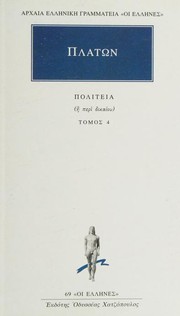
Χαρμίδης
Plato
Summary (Spoiler-Free)
In 'Χαρμίδης,' Plato explores the concept of true knowledge and the nature of virtue through a Socratic dialogue. Set in ancient Athens, the text delves into the relationship between self-knowledge and personal growth while examining the idea of temperance. The conversation between Socrates and his interlocutors reveals profound insights about the human condition and the pursuit of wisdom, making it both timeless and deeply relevant.
Who Should Read This
If you enjoy philosophical discussions that challenge your understanding of ethics and virtue, 'Χαρμίδης' is a thought-provoking choice. Readers who appreciate the Socratic method and the examination of moral concepts will find this work particularly rewarding.
Frequently Asked Questions
Is 'Χαρμίδης' part of a series or standalone?+
'Χαρμίδης' is a standalone work by Plato, meaning it does not belong to any series. This allows readers to engage with it independently, making it a perfect entry point for those new to Plato's philosophy or for those who are interested in exploring specific themes without needing to read additional texts. Its self-contained nature provides a focused exploration of virtue and knowledge, making it accessible and engaging.
What audience is 'Χαρμίδης' appropriate for, and are there any content notes?+
'Χαρμίδης' is suited for readers interested in philosophy, particularly those who enjoy examining ethical questions and moral philosophy. While the text does not contain explicit content, some discussions may touch on complex ideas that require a mature understanding. It is recommended for high school students and adults who are curious about philosophical principles, especially those pertaining to personal virtue and the quest for knowledge.
Are there any adaptations or other formats available for 'Χαρμίδης'?+
'Χαρμίδης' is primarily available in printed format, but there may be audiobook versions and e-book editions that make it accessible for different reading preferences. While there haven’t been contemporary film adaptations, the themes and dialogues present in the text continue to influence modern philosophical discussions and can be found referenced in various academic and literary works.
What makes 'Χαρμίδης' distinct within the philosophy genre?+
'Χαρμίδης' stands out in the philosophy genre due to its unique conversational format and the use of the Socratic method to dissect complex ethical concepts. Plato’s approach encourages readers to engage in critical thinking and self-reflection, which is a hallmark of his work. The dialogue format, featuring interactions between Socrates and his companions, invites readers to ponder alongside the characters, making the exploration of virtue and knowledge feel dynamic and immediate.
What type of reader tends to enjoy 'Χαρμίδης' the most?+
Readers who have an affinity for philosophical inquiry and enjoy dissecting moral dilemmas are likely to appreciate 'Χαρμίδης'. This work appeals to those who enjoy dialogues that challenge their views and provoke thought. Additionally, individuals who appreciate classical literature and the historical context of philosophical development will find 'Χαρμίδης' a valuable and enriching experience.
Similar Books You'll Love

0.0(0 ratings)
Rate this book:
Book at a Glance
~1 hr 12 min to read
- Pages
- 68
- First published
- 1977
- Original language
- EN