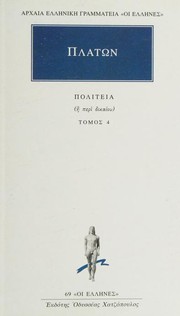
Κρίτων / Συμπόσιον / Φαίδων / πολιτεία / Ἀπολογία Σωκράτους
Plato
Summary (Spoiler-Free)
In this collection of dialogues, Plato presents the thoughts and philosophies of Socrates, exploring profound themes such as justice, virtue, and the nature of the soul. Each dialogue serves as a unique exploration of philosophical ideas, from the ethical implications of Socratic questioning to the examination of the ideal state. Through engaging discussions, Plato invites readers to ponder the essence of knowledge and the pursuit of truth, making these works timeless contributions to Western philosophy.
Who Should Read This
If you have a passion for deep philosophical inquiry and enjoy examining the foundations of ethics and politics, this collection will resonate with you. Readers who appreciate thought-provoking dialogues and the exploration of existential questions are likely to find great value in Plato's insights.
Frequently Asked Questions
Is this book part of a series, and do I need to read any other works before tackling it?+
This collection stands alone as a significant work in philosophy and does not belong to a series. While familiarity with Plato's other dialogues can enhance your understanding, it is not a prerequisite for reading this book. Each dialogue presents its own themes and discussions, allowing newcomers to fully engage with the material without needing prior context.
What audience is this book appropriate for, and does it contain any sensitive content?+
This collection is primarily aimed at readers interested in philosophy and ethics, making it suitable for high school students, college students, and adults. It delves into complex themes such as justice, virtue, and the afterlife, which may be challenging for younger readers. While there are no explicit content warnings, some discussions may confront moral dilemmas and existential questions that could evoke strong reactions.
Are there any adaptations or formats available for this work, such as audiobooks or films?+
Yes, this collection has been adapted into various formats, including audiobooks, which can enhance the experience of Plato's dialogues through auditory engagement. Additionally, some of the philosophical themes and characters have inspired numerous films and documentaries exploring Socratic thought. However, there are no direct film adaptations of this particular collection.
What distinguishes this book from other philosophical works in its genre?+
What sets this collection apart is its use of dialogue as a method of philosophical exploration, allowing for a dynamic exchange of ideas rather than a singular narrative. Plato's unique portrayal of Socrates serves not only as a means of imparting wisdom but also as a way to challenge readers to think critically about their own beliefs. The depth of inquiry into ethics, politics, and the nature of reality makes it a cornerstone of Western philosophy.
What type of reader is likely to enjoy this book the most?+
Readers who thrive on intellectual challenges and enjoy engaging with complex philosophical ideas will find this collection particularly rewarding. Those who appreciate rich dialogue and the exploration of moral and ethical questions are likely to resonate with Plato's thought-provoking narratives. Additionally, students of philosophy or anyone seeking to deepen their understanding of Socratic principles will find this work invaluable.
Similar Books You'll Love

0.0(0 ratings)
Rate this book:
Book at a Glance
~6 hr 20 min to read
- Pages
- 357
- First published
- 1892
- Original language
- EN