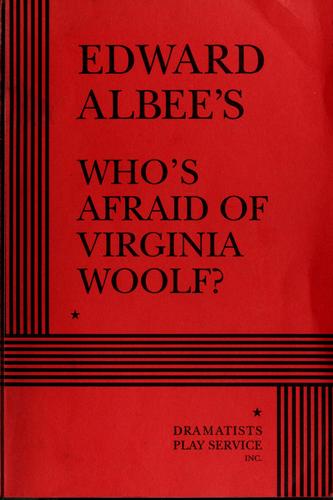
Who's Afraid of Virginia Woolf?
Edward Albee
Summary (Spoiler-Free)
In 'Who's Afraid of Virginia Woolf?', Edward Albee crafts a gripping exploration of the complexities of marriage and the nature of reality. Set within a single night in the home of an older couple, George and Martha, the play unveils layers of deception and disillusionment as they invite a younger couple, Nick and Honey, into their tumultuous world. Tension escalates as personal truths and resentments surface, revealing the deep-seated vulnerabilities of its characters. With sharp dialogue and an intense atmosphere, this drama artfully navigates themes of love, power, and the human condition.
Who Should Read This
If you relish intense character studies and sharp, biting dialogue, this play is likely to resonate with you. It offers a profound examination of relationships that is both disturbing and thought-provoking, perfect for readers who appreciate layered narratives.
Frequently Asked Questions
Is 'Who's Afraid of Virginia Woolf?' part of a series?+
'Who's Afraid of Virginia Woolf?' is a standalone play, meaning it does not belong to a series. Readers can enjoy it independently without needing to familiarize themselves with any prior works. This allows the audience to dive directly into the intricate emotional landscape crafted by Edward Albee without the distraction of previous contexts or character backstories.
What age group is this play appropriate for?+
This play is best suited for mature audiences, typically ages 16 and up, due to its complex themes surrounding marriage, existentialism, and intense emotional confrontations. The dialogue includes strong language and adult situations, reflecting the raw, sometimes harsh realities of relationships. Readers should be prepared for a challenging exploration of human interactions that may provoke deep emotional responses.
Are there adaptations of this play available in other formats?+
Yes, 'Who's Afraid of Virginia Woolf?' has been adapted into both film and audio formats. The 1966 film adaptation, featuring notable performances by Elizabeth Taylor and Richard Burton, brought the play's powerful themes to a broader audience, capturing the essence of Albee's writing. Additionally, there are audio recordings available that allow listeners to experience the dialogue and emotional intensity of the play, making it accessible for those who prefer auditory experiences.
What distinguishes this play within the drama genre?+
'Who's Afraid of Virginia Woolf?' stands out in the drama genre due to its raw emotional intensity and sharp, incisive dialogue. Albee's exploration of deception and reality in personal relationships pushes the boundaries of traditional domestic drama. The play delves into the intricate dynamics of power and vulnerability between its characters, drawing audiences into a complex web of interactions that challenge perceptions of love and truth, making it a seminal work in modern American theater.
What kind of reader is likely to enjoy this play?+
Readers who are drawn to psychological depth and character-driven narratives will likely find 'Who's Afraid of Virginia Woolf?' compelling. Fans of intense dialogue and explorations of existential themes will appreciate how Albee captures the intricacies of human relationships. Those who enjoy thought-provoking literature that examines societal norms and personal identity will also resonate with the play's profound insights into the human experience.
Similar Books You'll Love
0.0(0 ratings)
Rate this book:
Book at a Glance
~4 hr 17 min to read
- Pages
- 242
- First published
- 1962
- Original language
- EN