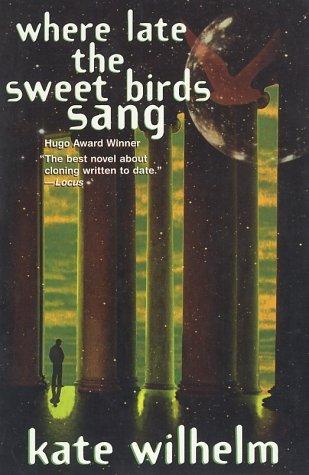
Where Late the Sweet Birds Sang
Kate Wilhelm
Summary (Spoiler-Free)
In a future where society struggles with the repercussions of environmental collapse and population control, 'Where Late the Sweet Birds Sang' explores the intricate relationship between humanity and technology. The story follows a group of people who seek to preserve the essence of humanity through cloning, grappling with ethical dilemmas and the meaning of identity. As they navigate a world filled with challenges, the characters are forced to confront their own values and the sacrifices required for survival.
Who Should Read This
This book is a thought-provoking choice for readers who appreciate deep philosophical questions intertwined with science fiction. If you enjoy narratives that explore the complexities of human nature and the implications of technological advancement, this novel may resonate with you.
Frequently Asked Questions
Is 'Where Late the Sweet Birds Sang' part of a series, and how does it fit into the reading order?+
This novel is a standalone work, meaning it does not belong to any series and can be read independently. Readers can dive directly into this story without needing prior context or background from other books. This standalone nature allows the narrative to focus solely on its themes and character development, making it accessible to both seasoned science fiction enthusiasts and newcomers alike.
What age group or audience is 'Where Late the Sweet Birds Sang' suitable for, and are there any content notes to consider?+
The novel is primarily aimed at adult readers and is suitable for mature teens who can engage with its complex themes. It navigates topics such as cloning, ethical dilemmas, and societal collapse, which may be challenging for younger audiences. While the book does not contain graphic violence or explicit content, readers should be prepared for thought-provoking discussions around morality and identity that might evoke strong emotional responses.
Are there any adaptations available for 'Where Late the Sweet Birds Sang', such as audiobooks or films?+
As of now, 'Where Late the Sweet Birds Sang' does not have any film adaptations, and the availability of an audiobook version can vary by publisher. However, the novel has gained a significant following over the years, and audiobooks may be available through various platforms. Readers interested in auditory experiences should check their favorite audiobook services to see if it is listed.
What distinguishes 'Where Late the Sweet Birds Sang' within the science fiction genre?+
This novel stands out in the science fiction genre due to its rich exploration of existential themes and the implications of technological advancement on humanity. Unlike many science fiction works that focus heavily on action or futuristic settings, Wilhelm’s narrative emphasizes character introspection and ethical questions surrounding cloning and survival. The book combines a contemplative tone with speculative elements, making it a unique entry in the genre that prompts readers to consider the moral ramifications of humanity's choices.
What type of reader is likely to enjoy 'Where Late the Sweet Birds Sang'?+
Readers who are drawn to speculative fiction that delves into philosophical and ethical inquiries will likely find this book compelling. If you appreciate narratives that challenge conventional thinking about identity, technology, and the human condition, this novel aligns well with those interests. Additionally, fans of character-driven stories that explore complex interpersonal relationships and moral dilemmas will also connect with Wilhelm's poignant storytelling.
Similar Books You'll Love

0.0(0 ratings)
Rate this book:
Book at a Glance
~3 hr 40 min to read
- Pages
- 207
- First published
- 1976
- Original language
- EN