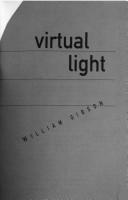
Virtual light
William Gibson
Summary (Spoiler-Free)
In a near-future world characterized by a stark divide between the privileged and the marginalized, 'Virtual Light' delves into the lives of individuals navigating a city transformed by technology and societal upheaval. The story centers around a pair of unlikely allies who come into possession of a pair of virtual light glasses, leading them into a web of intrigue and conflict. As they traverse the gritty urban landscape, themes of reality and perception blur, highlighting the impact of technology on human connection and identity.
Who Should Read This
If you enjoy immersive world-building and thought-provoking explorations of technology's role in society, this book will likely resonate with you. It's perfect for readers who appreciate a blend of action and philosophical reflection in their science fiction.
Frequently Asked Questions
Is 'Virtual Light' part of a series, and how does it fit into the overall reading order?+
‘Virtual Light’ is a standalone novel and does not belong to any series. This means that readers can pick it up without needing to read previous works by William Gibson or any related titles. While Gibson is known for his influential contributions to the cyberpunk genre, including the famed Sprawl Trilogy, ‘Virtual Light’ presents an independent narrative that explores new themes and settings. Readers can fully engage with this book without any prerequisite knowledge, making it accessible for newcomers and seasoned fans alike.
What audience is 'Virtual Light' appropriate for, and are there any content notes to consider?+
This book is suitable for mature young adult and adult readers, as it addresses complex themes and contains some elements that may be disconcerting for younger audiences. Readers should be aware that 'Virtual Light' includes depictions of societal disparity, technology's impact on personal relationships, and elements of violence. The narrative tackles philosophical questions about reality and identity, which may resonate deeply with those who enjoy more introspective science fiction. As with much of Gibson's work, the prose can be dense, inviting readers who appreciate layered storytelling and nuanced character development.
Are there any adaptations of 'Virtual Light' available, such as audiobooks or films?+
As of now, ‘Virtual Light’ has not been adapted into a film or television series. However, it is available in various formats, including paperback, hardcover, and as an audiobook. The audiobook version offers an opportunity for those who prefer to experience the narrative through spoken word, potentially enhancing the immersive quality of Gibson's detailed world-building. Audiobooks can also make it more accessible for readers who enjoy multitasking. While adaptations may not exist, the original text remains a powerful exploration of its themes.
What distinguishes 'Virtual Light' within the science fiction genre?+
‘Virtual Light’ stands out for its unique blend of cyberpunk elements and philosophical inquiry. Unlike many traditional sci-fi narratives that focus heavily on technology or futuristic settings, Gibson's work delves into the social implications of technological advancements and the human experience. The novel intricately weaves together the psychological aspects of living in a tech-driven world with a gritty urban setting, which invites readers to consider the ramifications of virtual reality and digital existence. This emphasis on character depth and societal critique sets it apart from typical genre fare, making it a thought-provoking read.
What type of reader tends to enjoy 'Virtual Light'?+
Readers who are drawn to thought-provoking science fiction that challenges conventional narratives will likely find 'Virtual Light' appealing. Those who appreciate richly detailed worlds and complex character interactions will also enjoy Gibson's signature style. The book tends to resonate with fans of speculative fiction who are interested in the intersection of technology, culture, and human relationships. Additionally, readers who enjoy a slower-paced narrative that encourages reflection and analysis will find this novel particularly satisfying, as it invites them to engage deeply with its themes and ideas.
Similar Books You'll Love

0.0(0 ratings)
Rate this book:
Book at a Glance
~5 hr 23 min to read
- Pages
- 304
- First published
- 1743
- Original language
- EN