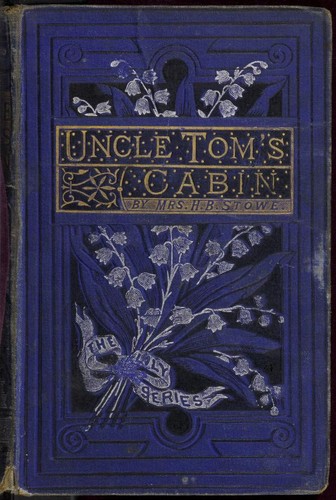
Uncle Tom's Cabin
Harriet Beecher Stowe
Summary (Spoiler-Free)
Set against the backdrop of pre-Civil War America, 'Uncle Tom's Cabin' follows the lives of enslaved individuals and their struggles for freedom, dignity, and humanity. The novel centers on Uncle Tom, a kind and devout man who faces unimaginable challenges while embodying integrity and resilience. Through a tapestry of interconnected characters, Stowe delves into the moral complexities of slavery, highlighting the emotional and social ramifications of the institution. This powerful narrative not only critiques the societal norms of its time but also ignites a call for compassion and justice.
Who Should Read This
If you are drawn to deeply emotional narratives that explore themes of morality, justice, and human connection, this book may resonate profoundly with you. Stowe's poignant storytelling and vivid character portrayals invite readers to reflect on the historical and ethical implications of their own society.
Frequently Asked Questions
What is the reading order for 'Uncle Tom's Cabin' within its genre?+
'Uncle Tom's Cabin' is a standalone novel, meaning it doesn't belong to a series and can be read independently. It is often included in discussions of 19th-century American literature, particularly those exploring themes of slavery and social justice. Readers interested in historical context may choose to explore other works from the same period, but 'Uncle Tom's Cabin' stands on its own as a significant contribution to American literary and cultural history.
Who is the intended audience for this book, and are there any content notes to consider?+
This novel is generally appropriate for mature teens and adults due to its heavy themes of slavery, suffering, and moral dilemmas. Readers should be aware that the book contains depictions of racial injustice and may evoke strong emotional responses. It serves as a historical reflection of the era's attitudes towards race and morality, which can be challenging but also enlightening for contemporary audiences. It's important that readers approach the text with an understanding of its historical context and the impact it has had on discussions around race and humanity.
Is 'Uncle Tom's Cabin' available in different formats or adaptations?+
'Uncle Tom's Cabin' has been adapted into various formats over the years, including stage plays, films, and audiobooks. Audiobook versions are widely available, offering a chance to experience the story through narration. Additionally, several film adaptations have sought to capture the emotional depth and social commentary of the original text, though not all adaptations have been critically acclaimed. Readers may find that exploring these adaptations enhances their understanding of the novel's themes and character dynamics.
What makes 'Uncle Tom's Cabin' distinct within its genre?+
'Uncle Tom's Cabin' is distinct within the romance genre due to its intertwining of love with social critique and moral questioning. While it includes elements of personal relationships and emotional bonds, the central focus is on the broader impact of slavery and the fight for justice. Stowe's ability to weave together personal stories with powerful social commentary sets this work apart, making it not just a romance but a seminal piece of literature that addresses human rights and empathy. This blending of genres allows it to resonate with a wide range of readers.
What type of reader is likely to enjoy this book?+
Readers who appreciate historical fiction with a strong moral compass are likely to find 'Uncle Tom's Cabin' compelling. Those who enjoy narratives that challenge social norms and provoke thought about justice, humanity, and ethics will resonate with Stowe's poignant storytelling. Furthermore, individuals interested in the historical context of American literature, as well as those who seek to understand the roots of social justice movements, will find this novel to be a powerful and moving experience that encourages reflection and discussion.
Similar Books You'll Love
0.0(0 ratings)
Rate this book:
Book at a Glance
~7 hr 57 min to read
- Pages
- 448
- First published
- 1850
- Original language
- EN