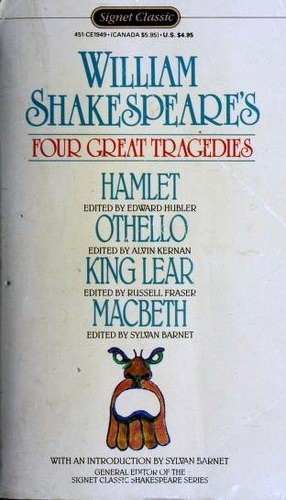
Tragedies (Hamlet / King Lear / Macbeth / Othello)
William Shakespeare
Summary (Spoiler-Free)
William Shakespeare's 'Tragedies' compiles four of his most renowned plays: 'Hamlet,' 'King Lear,' 'Macbeth,' and 'Othello.' Each work delves into the depths of human emotion, ambition, and the consequences of our choices. Through intricate character development and profound themes, Shakespeare explores the fragility of the human condition, the complexity of love, and the destructive power of jealousy and revenge. This collection stands as a testament to Shakespeare's enduring legacy in the realm of drama.
Who Should Read This
If you relish deep philosophical inquiries wrapped in a dramatic narrative, this collection is a must-read. The timeless themes and unforgettable characters will resonate with anyone drawn to the darker facets of human nature.
Frequently Asked Questions
What order should I read these plays in, or can I read them independently?+
These plays—'Hamlet,' 'King Lear,' 'Macbeth,' and 'Othello'—are standalone works, meaning you can enjoy each one independently without needing to read them in any specific order. That said, each play encapsulates its unique themes and characters, so readers may find it enriching to explore them in any sequence that piques their interest. This approach allows you to engage with the distinct emotional landscapes and moral dilemmas presented in each tragedy.
Who is the intended audience for Shakespeare's tragedies, and are there any content notes?+
Shakespeare's tragedies are primarily aimed at adult audiences due to their complex themes and mature content, including betrayal, madness, and mortality. Readers should be aware that these plays delve into intense emotional struggles and often depict violence and tragic deaths. However, the language and themes can also provide an insightful commentary on the human experience, making them suitable for mature teens and adults who appreciate classic literature and are prepared to engage with nuanced storytelling.
Are there any adaptations of these plays available in other formats?+
Yes, each of the plays in this collection has been adapted into various formats, including film, television, and stage productions. Many noteworthy adaptations retain the original dialogue, while others reimagine the stories in modern settings or styles. Audiobook versions are also widely available, often featuring talented narrators who bring the characters and drama to life, making these tragedies accessible to those who prefer listening to reading. Exploring these adaptations can enrich your understanding and appreciation of Shakespeare's works.
What distinguishes these tragedies within the genre of drama?+
Shakespeare's tragedies are distinguished by their profound exploration of human psychology and moral complexity. Unlike typical dramatic works that may focus on external conflict, these plays delve deeply into the internal struggles of their characters, often leading to devastating consequences. Shakespeare's use of poetic language, intricate plots, and richly developed characters sets these works apart in the genre, offering readers a unique blend of philosophical inquiry and emotional resonance that continues to captivate audiences across generations.
What type of reader typically enjoys Shakespeare's tragedies?+
Readers who appreciate intricate storytelling, rich character development, and complex themes are likely to find enjoyment in Shakespeare's tragedies. Those who seek to explore timeless human experiences—such as love, ambition, revenge, and the consequences of choice—will resonate with the depth of these plays. Additionally, fans of classic literature and those interested in the historical context of drama will find much to admire in Shakespeare's mastery of language and form.
Similar Books You'll Love

0.0(0 ratings)
Rate this book:
Book at a Glance
~2 hr 14 min to read
- Pages
- 126
- First published
- 1924
- Original language
- EN