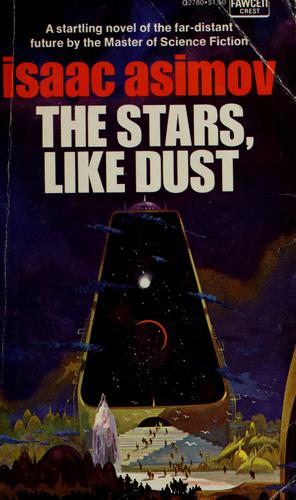
The Stars, Like Dust
Isaac Asimov
Summary (Spoiler-Free)
In a distant future where the galaxy is governed by the oppressive tyranny of the Galactic Empire, a young nobleman named Biron Farrill finds himself embroiled in a web of intrigue and rebellion. When he discovers that his family is targeted for extinction, Biron must navigate a perilous landscape of deception and danger. As he seeks allies and uncovers secrets, the fate of entire planets hangs in the balance. 'The Stars, Like Dust' is a thrilling exploration of freedom, loyalty, and the fight against oppression, set against the vast backdrop of space.
Who Should Read This
If you enjoy classic science fiction that delves into themes of rebellion and governance, this book may resonate with you. Its thought-provoking narrative and rich world-building are perfect for readers who appreciate stories that challenge the status quo.
Frequently Asked Questions
Is 'The Stars, Like Dust' part of a series, and how does it fit into Asimov's body of work?+
This book is a standalone novel, meaning it does not belong to a series and can be read independently. It is part of Isaac Asimov's broader contributions to science fiction, showcasing his early exploration of galactic societies and the complexities of governance. Although it stands alone, readers will find thematic connections to Asimov’s later works, particularly regarding the interplay of power and individual agency in futuristic settings.
What age group or audience is this book suitable for, and are there any content notes to consider?+
The book is generally suitable for older teens and adults, as it deals with complex themes such as tyranny and rebellion. While it does not contain explicit content, readers may encounter instances of violence and political intrigue that reflect the darker aspects of a totalitarian regime. Those who appreciate nuanced discussions of morality and ethics in a science fiction context will find the narrative engaging.
Are there any adaptations of 'The Stars, Like Dust' available in other formats?+
As of now, 'The Stars, Like Dust' has not been adapted into a film or television series. However, the novel is available in various formats, including print, eBook, and audiobook. The audiobook version allows listeners to experience Asimov's compelling narrative in a different medium, which can enhance the storytelling experience through voice interpretation.
What sets 'The Stars, Like Dust' apart from other science fiction novels of its time?+
What distinguishes 'The Stars, Like Dust' is its combination of rich character development and sociopolitical commentary, which was somewhat unique for its era. While many science fiction works from the 1950s centered around technological advancements or space exploration, Asimov's focus on individual agency against a backdrop of oppressive regimes adds depth to the narrative. His ability to weave philosophical questions into an adventurous plot makes this novel a standout in the genre.
What type of reader might enjoy 'The Stars, Like Dust'?+
Readers who appreciate classic science fiction with a strong emphasis on political intrigue and personal empowerment will likely enjoy this book. Those who are drawn to stories that challenge authority and explore the consequences of rebellion will find themselves captivated by Asimov's storytelling. Fans of intricate world-building and ethical dilemmas will also find much to admire in this thought-provoking narrative.
Similar Books You'll Love

0.0(0 ratings)
Rate this book:
Book at a Glance
~5 hr 23 min to read
- Pages
- 304
- First published
- 1951
- Original language
- EN