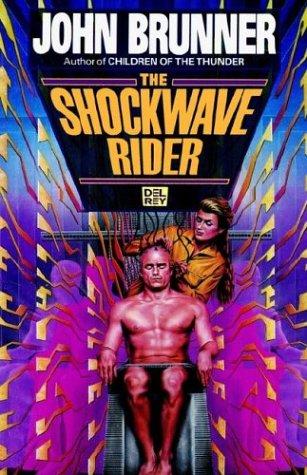
The Shockwave Rider
John Brunner
Summary (Spoiler-Free)
In a near-future world dominated by technology and surveillance, 'The Shockwave Rider' follows the journey of Nick Haflinger, a man on the run from a government that uses data to control its citizens. As he navigates a society where privacy is nearly extinct, Nick's skills in computer hacking become his only means of survival. This thought-provoking novel examines themes of freedom, individuality, and the impact of technology on society, posing questions that resonate even in today's digital age.
Who Should Read This
If you find yourself captivated by stories that explore the intersection of technology and humanity, this novel is likely to resonate with you. Readers who appreciate intricate world-building and social commentary will find 'The Shockwave Rider' both stimulating and thought-provoking.
Frequently Asked Questions
Is 'The Shockwave Rider' part of a series?+
'The Shockwave Rider' is a standalone novel, meaning it does not belong to a series. Readers can enjoy it without needing to familiarize themselves with previous or subsequent books. This allows for a complete and self-contained narrative experience, making it an excellent choice for those who prefer stories that don't require a long-term commitment to multiple installments.
What age group is this book appropriate for?+
This book is generally suited for mature teens and adults due to its complex themes and occasional adult content. Readers should be prepared for discussions surrounding government surveillance, technology's role in society, and the implications of a data-driven world. While the narrative is engaging, the depth of its content may resonate more with those who have a critical interest in sociopolitical issues and speculative fiction.
Are there any adaptations of 'The Shockwave Rider'?+
As of now, there have been no major film or television adaptations of 'The Shockwave Rider.' However, the novel is considered a seminal work in the science fiction genre, influencing various media and discussions about technology's impact on society. Its themes remain relevant, sparking interest in potential adaptations that could bring its compelling narrative to new audiences.
What sets 'The Shockwave Rider' apart from other science fiction works?+
'The Shockwave Rider' distinguishes itself through its prescient exploration of concepts like cybernetics, data privacy, and societal control, which were quite forward-thinking for its time in 1975. John Brunner's nuanced portrayal of a dystopian future showcases not only technological advancements but also their moral implications, inviting readers to reflect on the consequences of a surveillance-driven society. The depth of its philosophical inquiries makes it a unique contribution to the genre.
What type of reader would enjoy this book?+
Readers who enjoy speculative fiction that challenges societal norms and examines the human condition in light of technological advancements will likely find 'The Shockwave Rider' appealing. Those who appreciate intricate plots with thought-provoking themes will be drawn to Brunner's exploration of freedom and individuality within a highly monitored world. Fans of classic science fiction that raises questions about the future of humanity will likely connect with this work.
Similar Books You'll Love

0.0(0 ratings)
Rate this book:
Book at a Glance
~5 hr 6 min to read
- Pages
- 288
- First published
- 1975
- Original language
- EN