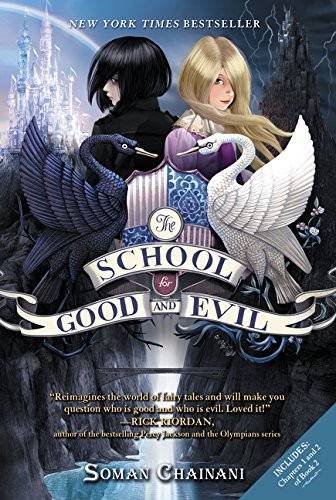
The School for Good and Evil
Soman Chainani
Summary (Spoiler-Free)
In a world where fairy tales come to life, two friends, Sophie and Agatha, find themselves at a crossroads when they are whisked away to the fabled School for Good and Evil. Here, they are trained to become heroes and villains, but their destinies take unexpected turns. As they navigate friendships, rivalries, and the complexities of their true natures, they must confront what it truly means to be 'good' or 'evil.' With rich world-building and engaging characters, this tale explores themes of friendship, identity, and the gray areas between right and wrong.
Who Should Read This
If you enjoy whimsical tales that challenge traditional notions of good and evil, this book is perfect for you. Its clever twists and vibrant characters will resonate with readers who appreciate a fresh take on fairy tales and fantasy adventures.
Frequently Asked Questions
Is 'The School for Good and Evil' part of a series or a standalone novel?+
This book is a standalone novel, meaning it tells a complete story within its 496 pages without requiring any sequels or prequels. Readers can enjoy it independently without the need to delve into a larger series. This approach allows for a focused narrative that fully explores the themes and characters within a single volume.
What age group is this book appropriate for, and are there any content warnings?+
'The School for Good and Evil' is primarily aimed at middle-grade readers, but it can be enjoyed by older readers as well. The story contains fantastical elements and themes of friendship, rivalry, and self-discovery. While there are some darker moments typical of fairy tale narratives, such as betrayal and the concept of good versus evil, these are presented in a way that is suitable for younger audiences. Parents and guardians may want to read along or discuss the themes with younger readers to provide context.
Are there any adaptations available for 'The School for Good and Evil'?+
Yes, 'The School for Good and Evil' has been adapted into a film, which brings the story to life with visual storytelling and cinematic interpretation. This adaptation expands the reach of the narrative, allowing fans to experience the characters and world in a new format. The film captures the whimsical yet dark tone of the book and introduces the tale to a broader audience, making it an exciting option for those who enjoy visual media.
What sets 'The School for Good and Evil' apart from other fantasy novels?+
'The School for Good and Evil' distinguishes itself through its unique premise that cleverly subverts traditional fairy tale tropes. Instead of merely presenting a battle between good and evil, the story delves into the complexities of character motivations and moral ambiguity, making readers question the very definitions of heroism and villainy. The enchanting, yet sometimes dark, atmosphere combined with relatable, multifaceted characters creates a rich narrative that stands out in the fantasy genre.
What type of reader would most likely enjoy this book?+
Readers who have a fondness for imaginative, character-driven stories will find 'The School for Good and Evil' particularly appealing. Those who appreciate tales that explore deeper moral questions beneath a fantastical veneer, as well as fans of whimsical and adventurous narratives, will likely enjoy this book. Its blend of humor, friendship, and adventure can resonate with a wide range of readers, especially those who grew up loving fairy tales but seek a more nuanced interpretation.
Similar Books You'll Love
0.0(0 ratings)
Rate this book:
Book at a Glance
~8 hr 48 min to read
- Pages
- 496
- First published
- 2007
- Original language
- EN