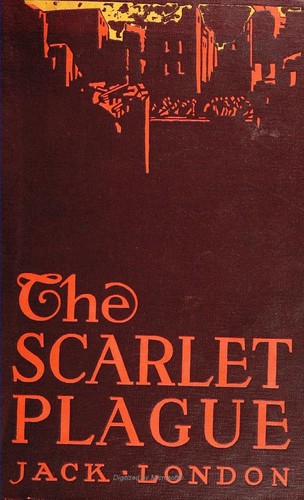
The Scarlet Plague
Jack London
Summary (Spoiler-Free)
Set in a post-apocalyptic world ravaged by a deadly plague, 'The Scarlet Plague' follows the story of one of the last survivors, an elderly man reflecting on the catastrophic events that led to the downfall of civilization. As he recounts his experiences, the narrative weaves together themes of survival, humanity, and the fragility of societal structures. Through his eyes, readers are taken on a journey that explores both the dark and the resilient aspects of human nature in the face of overwhelming adversity.
Who Should Read This
If you enjoy thought-provoking tales that delve into the human condition amid societal collapse, this book is an engaging choice. Its vivid exploration of a world altered by disaster will resonate with readers who appreciate speculative fiction that challenges our understanding of civilization.
Frequently Asked Questions
Is 'The Scarlet Plague' part of a series, and how should I approach it?+
'The Scarlet Plague' is a standalone novella, meaning it does not belong to a larger series. Readers can jump straight into this work without prior knowledge of other texts by Jack London. Its concise length of 44 pages makes it an accessible read for those looking to explore London’s take on science fiction and post-apocalyptic themes without a significant time commitment.
What is the target audience for this book, and are there any content considerations?+
This book is primarily aimed at adult readers, particularly those interested in classic science fiction and speculative literature. It delves into themes of mortality, societal collapse, and the primal instincts of survival, which may be intense for some. Readers should be aware that the narrative includes depictions of a devastating plague and its effects on humanity, so those sensitive to themes of disease and societal breakdown may want to consider this before reading.
Are there any adaptations available for 'The Scarlet Plague'?+
While 'The Scarlet Plague' has not been adapted into a major film or television series, its themes and narrative style resonate with contemporary readers and creators in the genre. As a work of classic literature, it is available in various formats, including print, ebook, and audiobook. Audiobook versions provide an engaging way to experience the novella, with professional narrators bringing the story to life.
What sets 'The Scarlet Plague' apart from other science fiction works?+
'The Scarlet Plague' stands out due to its early exploration of dystopian themes and the consequences of humanity's actions on a global scale. Written in 1910, it reflects Jack London's unique perspective on nature, survival, and the collapse of civilization, offering a raw, unfiltered look at human instincts when faced with extinction. Its concise format and sharp prose allow for a powerful commentary on societal constructs that remain relevant today.
What kind of reader typically enjoys 'The Scarlet Plague'?+
Readers who appreciate classic literature and enjoy a blend of adventure and philosophical inquiry are likely to find 'The Scarlet Plague' appealing. Fans of dystopian narratives, as well as those intrigued by human psychology in extreme circumstances, will resonate with London’s insights. Additionally, individuals who favor stories that prompt reflection on our current society's vulnerabilities will appreciate the timeless relevance of this thought-provoking work.
Similar Books You'll Love

0.0(0 ratings)
Rate this book:
Book at a Glance
~47 min to read
- Pages
- 44
- First published
- 1910
- Original language
- EN