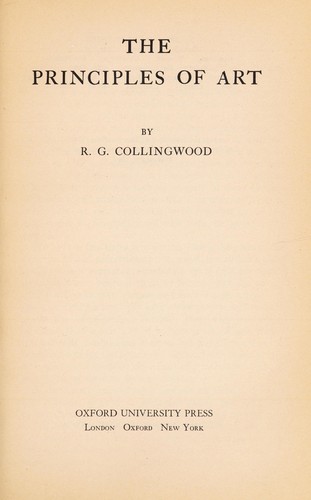
The principles of art
R. G. Collingwood
Summary (Spoiler-Free)
In 'The Principles of Art,' R. G. Collingwood explores the philosophical foundations of art, challenging traditional views and advocating for a deeper understanding of artistic expression. He argues that art is not merely a form of entertainment or aesthetic pleasure, but rather a complex communication of emotions and ideas. Through his critical examination, Collingwood seeks to define the essence of art and its role in society, prompting readers to reconsider their relationship with artistic works.
Who Should Read This
If you find yourself captivated by the intricate relationship between emotion and expression in artistic endeavors, then 'The Principles of Art' may resonate deeply with you. This book invites readers who appreciate philosophical inquiry and the profound implications of art to engage with its concepts.
Frequently Asked Questions
Is 'The Principles of Art' part of a series or a standalone work?+
'The Principles of Art' is a standalone work by R. G. Collingwood. It does not belong to a series, allowing readers to engage with its ideas independently. This makes it an excellent choice for those who wish to explore Collingwood's philosophical perspective on art without needing to read additional texts for context.
What type of audience is this book appropriate for?+
This book is primarily geared toward readers with an interest in philosophy, particularly those who are drawn to the intersection of art and thought. It is suitable for mature audiences, as it delves into complex ideas and critiques of traditional artistic concepts. Readers seeking a deeper understanding of art's role in human experience will find valuable insights within its pages.
Are there any adaptations of 'The Principles of Art' available?+
Currently, 'The Principles of Art' has not been adapted into a film or television series, nor is there an official audiobook version available. However, readers can find various academic discussions and analyses that explore Collingwood's theories, enriching their understanding of the text. Those interested in philosophical literature may find resources that complement their reading experience.
What makes 'The Principles of Art' distinct in its genre?+
'The Principles of Art' stands out in the philosophy of art genre due to its unique approach to understanding artistic expression as a form of communication. Collingwood's emphasis on the emotional aspect of art, as opposed to merely its aesthetic qualities, invites a fresh perspective that challenges prevailing notions. His arguments encourage readers to consider the deeper meanings behind artistic works and their impact on society.
What kind of reader tends to enjoy 'The Principles of Art'?+
Readers who appreciate philosophical discourse, especially regarding art and its significance, are likely to enjoy 'The Principles of Art.' Those who are intrigued by the exploration of human emotions and the cognitive processes behind artistic creation will find Collingwood's insights both thought-provoking and enlightening. This book is particularly appealing to scholars, artists, and anyone interested in the theoretical underpinnings of art.
Similar Books You'll Love

0.0(0 ratings)
Rate this book:
Book at a Glance
~6 hr 9 min to read
- Pages
- 347
- First published
- 1656
- Original language
- EN