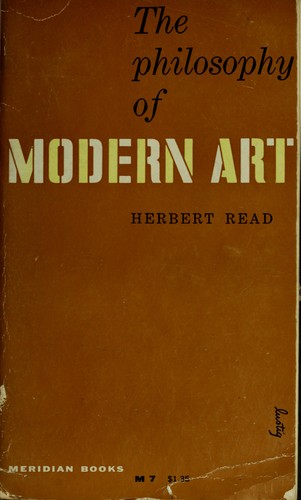
The Philosophy of Modern Art
Herbert Edward Read
Summary (Spoiler-Free)
In 'The Philosophy of Modern Art,' Herbert Edward Read delves into the intricate relationship between art and the philosophical movements of the modern era. He explores various artistic expressions, examining how they reflect the complexities of contemporary thought and culture. Through insightful analysis, Read challenges traditional notions of aesthetics, encouraging readers to reconsider their views on what defines art in the modern world.
Who Should Read This
This book is a must-read for anyone intrigued by the intersection of art and philosophy. If you have a passion for exploring the deeper meanings behind creative expression, this thought-provoking work will resonate with you.
Frequently Asked Questions
What is the reading order for this book within its genre?+
As 'The Philosophy of Modern Art' is a standalone work, it does not belong to a series that requires a specific reading order. Readers can approach this book independently without prior knowledge of other texts in the philosophy or art genres. However, those interested in the broader context of modern art may benefit from familiarizing themselves with key philosophical movements and artists discussed within the text.
Who is the target audience for this book?+
'The Philosophy of Modern Art' is particularly suited for readers with an interest in philosophy, art theory, and cultural studies. It appeals to students, scholars, and anyone who appreciates deep intellectual discourse. While the book is accessible, its analytical nature may resonate more with those who have some familiarity with philosophical concepts or art history. Readers seeking a straightforward narrative may find the content challenging, as the book invites contemplation and critical thinking.
Are there any adaptations or different formats available for this book?+
Currently, 'The Philosophy of Modern Art' is primarily available in print format, making it accessible for traditional readers. While there may not be audiobook or film adaptations, the book's thought-provoking content makes it a great candidate for discussion groups or academic courses. It’s worth checking for any digital editions or scholarly articles that may explore its themes, but as of now, the stand-alone text remains the most prominent way to engage with Read's ideas.
What distinguishes this book within the philosophy genre?+
Herbert Edward Read’s approach in 'The Philosophy of Modern Art' is unique due to its synthesis of philosophical concepts with the evolving landscape of modern art. Unlike many philosophical texts that may remain abstract, Read grounds his analysis in real-world artistic practices and movements, providing an engaging dialogue between theory and application. His ability to articulate the transformative power of art and its philosophical implications sets this work apart, offering a nuanced perspective that challenges conventional thinking about both art and philosophy.
What type of reader is likely to enjoy this book the most?+
Readers who thrive on intellectual exploration and enjoy pondering the deeper meanings behind cultural phenomena are likely to find 'The Philosophy of Modern Art' compelling. Those with backgrounds in art history, philosophy, or cultural studies will particularly appreciate Read's insights. Additionally, anyone who relishes challenging their perceptions of art and its significance in society will find this book to be a rewarding experience, as it encourages a reflective engagement with the modern artistic landscape.
Similar Books You'll Love
0.0(0 ratings)
Rate this book:
Book at a Glance
~5 hr 6 min to read
- Pages
- 288
- First published
- 1649
- Original language
- EN