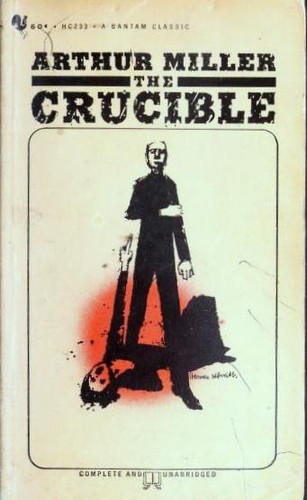
The Crucible
Arthur Miller
Summary (Spoiler-Free)
Set during the infamous Salem witch trials, 'The Crucible' explores the dangerous mix of fear, mass hysteria, and the quest for power. Arthur Miller crafts a poignant tale that examines the consequences of false accusations and the moral dilemmas faced by individuals in a community gripped by paranoia. As the lines between truth and deception blur, the characters are forced to confront their beliefs and the society around them, leading to devastating outcomes. This powerful drama serves as both a historical reflection and a timeless commentary on human behavior.
Who Should Read This
If you find yourself intrigued by intense moral conflicts and the examination of societal pressures, 'The Crucible' is a compelling read for you. Its exploration of truth and integrity amidst chaos resonates deeply with those who appreciate thought-provoking drama.
Frequently Asked Questions
Is 'The Crucible' part of a series, and how does it fit into the reading order?+
'The Crucible' is a standalone play, meaning it does not belong to a series and can be read independently. Readers can dive into this work without needing to familiarize themselves with any previous texts. Since it is a self-contained narrative, it allows for a focused exploration of its themes and characters without the need for prior context. The play stands on its own merit, making it accessible to both seasoned theater enthusiasts and newcomers alike.
What audience is 'The Crucible' appropriate for, and are there any content notes to consider?+
'The Crucible' is generally suitable for readers aged 14 and older, commonly studied in high school literature classes. However, it does contain mature themes, including accusations of witchcraft, societal paranoia, and moral ambiguity, which may be challenging for younger audiences. Additionally, the play portrays intense emotional conflicts and explores the consequences of fear-driven actions, which might evoke strong reactions. Readers should be prepared for discussions surrounding justice, integrity, and the repercussions of mass hysteria, making it a thought-provoking choice for those interested in exploring deeper societal issues.
Are there any adaptations of 'The Crucible' available in different formats?+
'The Crucible' has been adapted into various formats beyond the original play, including film and audio recordings. The most notable adaptation is the 1996 film starring Daniel Day-Lewis and Winona Ryder, which captures the essence of Miller's writing and brings the story to life visually. Additionally, there are several audio versions available, allowing readers to experience the play through performance. These adaptations can enhance understanding and appreciation of the work, especially for those who enjoy auditory learning or cinematic interpretations of literature.
What distinguishes 'The Crucible' within the drama genre?+
'The Crucible' is distinct in the drama genre for its combination of historical context and exploration of universal themes such as fear, morality, and the human condition. Arthur Miller's use of the Salem witch trials as an allegory for McCarthyism highlights the dangers of societal paranoia and the fragility of truth in times of crisis. The play's rich character development and intense emotional conflicts set it apart, allowing for a deep psychological exploration of individuals facing moral dilemmas. Its enduring relevance ensures that it remains a significant work in American theater, prompting discussions about ethics and responsibility in society.
What type of reader is most likely to enjoy 'The Crucible'?+
Readers who appreciate thought-provoking narratives that delve into the complexities of human behavior and societal dynamics are likely to find 'The Crucible' compelling. Those drawn to intense character studies and moral quandaries will resonate with Miller's portrayal of individuals grappling with their beliefs under pressure. Additionally, fans of classic literature and dramatic works that provoke critical thinking about historical and contemporary issues will be captivated by the depth and significance of this play. Its compelling dialogue and rich themes make it a rewarding experience for anyone interested in the darker aspects of human nature.
Similar Books You'll Love
0.0(0 ratings)
Rate this book:
Book at a Glance
~2 hr 57 min to read
- Pages
- 166
- First published
- 1953
- Original language
- EN