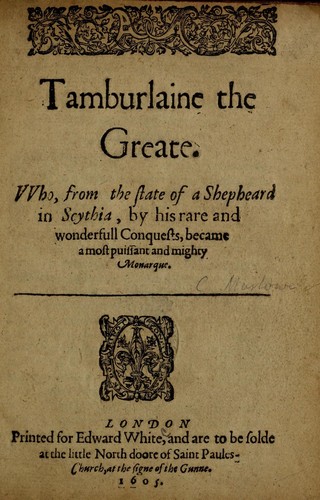
Tamburlaine the Great
Christopher Marlowe
Summary (Spoiler-Free)
In 'Tamburlaine the Great,' Christopher Marlowe presents a powerful narrative centered around the ambitious and ruthless conqueror, Tamburlaine. The play explores themes of ambition, power, and the human condition as Tamburlaine rises from humble beginnings to become a formidable warlord. Through his conquests and interactions with both allies and enemies, the story delves into the complexities of leadership and the cost of greatness. With rich language and a dramatic structure, Marlowe's work captures the essence of Renaissance drama.
Who Should Read This
If you appreciate intense character-driven narratives with a focus on ambition and power dynamics, 'Tamburlaine the Great' is a compelling choice. Its poetic language and dramatic themes will resonate with those drawn to classic literature and historical dramas.
Frequently Asked Questions
Is 'Tamburlaine the Great' part of a series, and in what order should it be read?+
'Tamburlaine the Great' is a standalone play by Christopher Marlowe, meaning it does not belong to any series. Readers can approach this work independently without needing to familiarize themselves with other plays or texts. This autonomy allows for a focused examination of Tamburlaine's character and the themes presented within this particular narrative.
What is the target audience for 'Tamburlaine the Great,' and are there any content notes to consider?+
This play is best suited for readers who have an appreciation for classic literature and dramatic works from the Renaissance period. It does contain themes of violence, ambition, and the consequences of power, which may not be suitable for younger audiences. Readers should also be prepared for the poetic and sometimes archaic language characteristic of Marlowe's time, which can enhance the reading experience for those familiar with Elizabethan drama.
Are there any adaptations of 'Tamburlaine the Great' available, such as audiobooks or films?+
Yes, 'Tamburlaine the Great' has been adapted into various formats over the years. There are both audio recordings available that capture the rhythmic and poetic nature of Marlowe's writing, as well as stage adaptations that bring the drama to life. These adaptations can provide different interpretations and experiences of the text, appealing to those who enjoy visual or auditory storytelling.
What makes 'Tamburlaine the Great' distinct within the drama genre?+
'Tamburlaine the Great' stands out in the drama genre due to its exploration of the complexities of power and ambition through a charismatic yet ruthless protagonist. Marlowe's use of blank verse and rich imagery elevates the text, making it a significant work of early modern drama. The play also challenges the moral implications of conquest and authority, which resonates with contemporary audiences, setting it apart from other works of its time.
What type of reader is likely to enjoy 'Tamburlaine the Great' the most?+
Readers who are drawn to intense character studies and the exploration of moral dilemmas will likely find 'Tamburlaine the Great' engaging. Those with an interest in historical figures, power struggles, and the psychological aspects of leadership will appreciate Marlowe's intricate portrayal of Tamburlaine. Additionally, fans of classical poetry and dramatic literature will revel in the eloquent language and thematic depth of this timeless work.
Similar Books You'll Love
0.0(0 ratings)
Rate this book:
Book at a Glance
~4 hr 6 min to read
- Pages
- 231
- First published
- 1590
- Original language
- EN