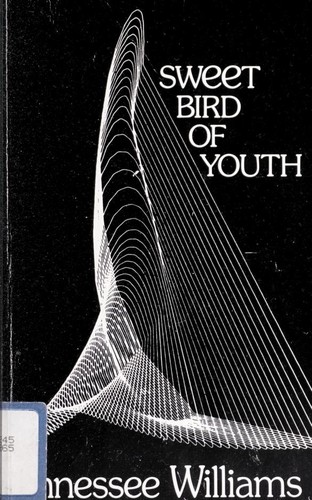
Sweet bird of youth
Tennessee Williams
Summary (Spoiler-Free)
In Tennessee Williams' poignant drama 'Sweet Bird of Youth,' we encounter Chance Wayne, a fading gigolo who returns to his hometown with a desperate hope of rekindling his past glory. Accompanied by an aging movie star, Chance grapples with lost dreams and the harsh realities of time. The play delves into themes of youth, disillusionment, and the relentless passage of time, encapsulating the bittersweet essence of human longing.
Who Should Read This
If you appreciate emotionally charged drama that explores the complexities of human relationships and the impact of time on dreams, this play might resonate deeply with you. Its rich character development and lyrical prose make it a compelling read for those drawn to classic theatre.
Frequently Asked Questions
Is 'Sweet Bird of Youth' part of a series, and how does it fit within Tennessee Williams' body of work?+
'Sweet Bird of Youth' is a standalone play, distinct from Tennessee Williams' other works, though it shares thematic elements common in his oeuvre. This play, first published in 1959, stands as a testimony to Williams' exploration of the fragility of youth and the disillusionment that often accompanies the passage of time. Readers familiar with Williams' style will find echoes of his signature character-driven narratives and poetic language, making this work an essential part of understanding his contributions to American theatre.
What age group is this play appropriate for, and are there any content warnings?+
'Sweet Bird of Youth' is generally suited for mature audiences, typically high school age and older, due to its exploration of adult themes such as aging, sexuality, and the quest for validation. The dialogue and situations may include references to substance abuse and complex interpersonal dynamics, making it more appropriate for readers prepared to engage with serious social issues. Educators and parents may want to consider these factors when introducing this play to younger readers, as its heavy themes may require thoughtful discussion.
Are there adaptations of 'Sweet Bird of Youth' available in other formats?+
Yes, 'Sweet Bird of Youth' has been adapted into various formats beyond the stage, including a notable film adaptation featuring prominent actors that captures the essence of Williams' writing. Additionally, listeners can find audio recordings of the play, which bring the dialogue and emotions to life. These adaptations allow a wider audience to experience the story, whether through visual or auditory means, enriching the understanding of the characters and their struggles.
What sets 'Sweet Bird of Youth' apart from other plays in the drama genre?+
'Sweet Bird of Youth' stands out in the drama genre for its lyrical quality and the depth of character exploration. Williams masterfully intertwines poetic language with raw emotional truths, allowing readers to feel the weight of Chance Wayne's aspirations and failures. The play's setting in a small Southern town adds a layer of poignancy, as it examines not only personal dreams but also societal expectations. This combination of stylistic beauty and profound thematic exploration distinguishes it within the landscape of American drama.
What type of reader is likely to enjoy 'Sweet Bird of Youth'?+
Readers who are captivated by character-driven narratives with a strong emotional core will likely find 'Sweet Bird of Youth' appealing. Those with an appreciation for theatrical works that delve into the human psyche and societal commentary will resonate with Williams’ intricate portrayals of desire and disillusionment. Fans of classic literature and drama, particularly those who value poetic language and nuanced storylines, are encouraged to explore this poignant work, as it offers rich material for reflection and discussion.
Similar Books You'll Love
0.0(0 ratings)
Rate this book:
Book at a Glance
~1 hr 54 min to read
- Pages
- 107
- First published
- 1959
- Original language
- EN