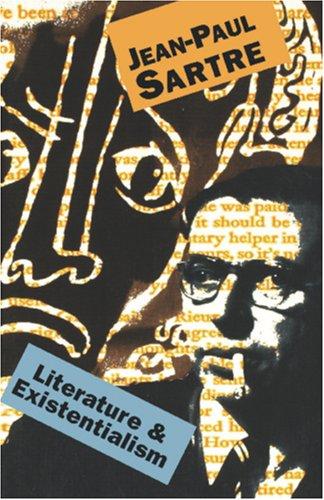
Qu'est-ce que la littérature?
Jean-Paul Sartre
Summary (Spoiler-Free)
In 'Qu'est-ce que la littérature?', Jean-Paul Sartre explores the essence and purpose of literature, challenging readers to reconsider the role of the writer and the impact of their work. He argues that literature is not merely an art form, but a means of engaging with society and the human condition. Through a philosophical lens, Sartre delves into the responsibilities of authors, the significance of authenticity, and the relationship between literature and political engagement, inviting readers to reflect on the power of words and ideas.
Who Should Read This
This book is ideal for those who are passionate about philosophy and the theoretical underpinnings of literature. If you find yourself intrigued by the intersection of art and ethics, Sartre's thought-provoking arguments will resonate deeply with you.
Frequently Asked Questions
Is 'Qu'est-ce que la littérature?' part of a series, and how does it fit into Sartre's other works?+
This book is a standalone work, not part of a series. However, it can be viewed as a critical component of Jean-Paul Sartre's broader philosophical inquiries, particularly his existentialist themes. Readers familiar with Sartre's other writings may notice consistent threads concerning freedom, responsibility, and the human experience, but 'Qu'est-ce que la littérature?' focuses specifically on the role of literature in society, making it a unique exploration within his oeuvre.
What audience is this book appropriate for, and are there any content notes?+
This text is best suited for readers who have an interest in philosophy, literary theory, or existentialism. It engages with complex ideas and may contain abstract concepts that could be challenging for some. Readers should be prepared for dense philosophical discourse, as Sartre delves into intricate arguments about the nature of literature and its societal implications. There are no specific content warnings, but the book may provoke discussions about ethics and the responsibilities of writers.
Are there adaptations of 'Qu'est-ce que la littérature?' available in other formats?+
Yes, 'Qu'est-ce que la littérature?' is available in various formats, including print and digital editions. Additionally, there are audiobooks that allow for an engaging listening experience of Sartre's philosophical insights. These adaptations make it accessible for readers who prefer different ways of consuming literature and philosophy, ensuring that Sartre's ideas can reach a broader audience.
What sets 'Qu'est-ce que la littérature?' apart from other philosophical works on literature?+
What distinguishes Sartre's work in 'Qu'est-ce que la littérature?' is its profound intersection of existential philosophy with literary criticism. Sartre not only analyzes the function of literature but also emphasizes the ethical responsibilities of the author within society. His passionate call for literature to be a vehicle for change and reflection is unique, as he encourages writers to engage actively with their social and political environments, making this work a compelling contribution to both literary and philosophical discussions.
What kind of reader tends to enjoy 'Qu'est-ce que la littérature?'?+
Readers who are drawn to philosophical debates, particularly those centered around existentialism and the meaning of art, will likely find Sartre's arguments captivating. This book appeals to individuals who appreciate deep analytical thinking and are interested in the implications of literature beyond mere storytelling. If you enjoy engaging with thought-provoking ideas and exploring the societal role of creative expression, this work will resonate with your intellectual curiosity.
Similar Books You'll Love
0.0(0 ratings)
Rate this book:
Book at a Glance
~2 hr 50 min to read
- Pages
- 160
- First published
- 1948
- Original language
- EN