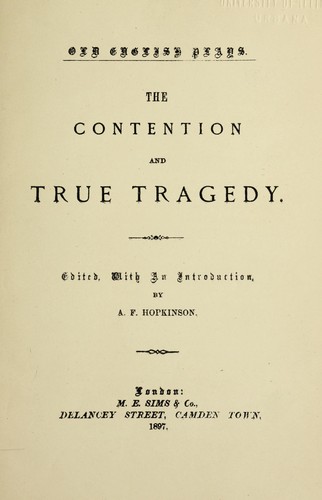
Plays (King Henry VI. Part 2 / King Henry VI. Part 3)
William Shakespeare, Johann Wilhelm Otto Benda
Summary (Spoiler-Free)
In this compelling collection, William Shakespeare's 'King Henry VI. Part 2' and 'King Henry VI. Part 3' unfold the tumultuous events surrounding the Wars of the Roses. The plays explore themes of power, ambition, and betrayal as noble families vie for control of the English throne. With a rich tapestry of characters, from the tragic to the villainous, these works delve into the complexities of loyalty and the cost of ambition, presenting a vivid portrayal of a nation in turmoil.
Who Should Read This
If you appreciate intricate character studies and historical drama, this collection is a must-read. Its exploration of political intrigue and personal conflict will resonate with those who enjoy classic literature that reflects the human condition.
Frequently Asked Questions
Is this book part of a series, and what is the reading order?+
This collection of 'King Henry VI. Part 2' and 'King Henry VI. Part 3' is a standalone publication, meaning it does not belong to a larger series. However, it is part of Shakespeare's broader history plays, which chronicle the events of the English throne during the Wars of the Roses. Readers interested in the complete narrative arc may wish to start with 'King Henry VI. Part 1' for a fuller understanding of the characters and historical context, but it is not required to enjoy these plays.
What age group is this book appropriate for, and are there any content concerns?+
This collection is generally suitable for readers aged 12 and up, though it is often studied in high school and university literature courses. Content-wise, the plays contain themes of violence, political intrigue, and betrayal, which may be intense for younger readers. Shakespeare's plays often include complex language and historical references, so some guidance or supplemental materials may enhance understanding for less experienced readers.
Are there any adaptations or other formats available for these plays?+
Yes, both parts of 'King Henry VI' have been adapted into various formats over the years. You can find film adaptations that bring Shakespeare's work to life, as well as audio recordings that capture the performances of these classic texts. Additionally, there are numerous stage productions that interpret the plays with modern twists or traditional settings, making them accessible to a contemporary audience.
What sets this collection apart within the drama genre?+
This collection stands out in the drama genre due to Shakespeare's masterful use of language and his ability to weave complex political narratives with deeply human emotions. The plays address the nature of power and its impact on relationships, making them timeless in their relevance. The combination of historical context and personal drama offers readers a rich experience that reflects the intricacies of leadership and the human psyche, distinguishing it from more straightforward contemporary dramas.
What type of reader is likely to enjoy this book?+
Readers who enjoy historical dramas with a focus on character development and intricate plots will likely find this collection appealing. Those who appreciate Shakespeare's poetic language and the exploration of moral dilemmas in political contexts will be particularly drawn to these plays. Furthermore, fans of classic literature and those interested in English history will find valuable insights and reflections that resonate beyond the era portrayed.
Similar Books You'll Love
0.0(0 ratings)
Rate this book:
Book at a Glance
~3 hr 58 min to read
- Pages
- 224
- First published
- 1619
- Original language
- EN