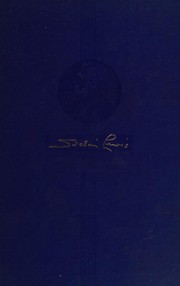
Pensées
Blaise Pascal
Summary (Spoiler-Free)
In 'Pensées,' Blaise Pascal delves into the complexities of human existence, faith, and reason, presenting a rich tapestry of philosophical thoughts and reflections. This work, often regarded as a cornerstone of existential thought, invites readers to explore the tension between belief and doubt, the nature of happiness, and the quest for meaning in life. Pascal's insightful observations are woven together in a way that challenges conventional wisdom, encouraging deep contemplation on the human condition.
Who Should Read This
If you enjoy engaging with profound philosophical inquiries and appreciate a blend of rational thought and personal reflection, then this book is likely to resonate with you. Its timeless themes make it suitable for anyone seeking to ponder life's greatest questions.
Frequently Asked Questions
Is 'Pensées' part of a series, and how does it fit into Pascal's body of work?+
'Pensées' is a standalone work by Blaise Pascal, not part of a series. This book represents a collection of his thoughts and reflections, particularly focusing on the relationship between faith, reason, and the human experience. Written in the 17th century, it showcases Pascal's intellectual prowess and is often seen as a precursor to modern existentialism. Readers interested in Pascal's other works, such as his contributions to mathematics and science, will find 'Pensées' to be a unique exploration of his philosophical insights, distinct from his scientific endeavors.
What type of audience is appropriate for 'Pensées'?+
'Pensées' is best suited for readers who have an interest in philosophy, theology, and the exploration of human existence. It grapples with complex ideas about faith, reason, and the nature of happiness, making it particularly engaging for those who appreciate deep, reflective literature. While it is accessible to a general audience, some familiarity with philosophical concepts may enhance the reading experience. Due to its exploration of existential themes, it may resonate especially well with readers who enjoy contemplating life's profound questions.
Are there adaptations or different formats available for 'Pensées'?+
'Pensées' is available in various formats, including print and digital editions, making it accessible to a broad audience. Audiobook versions may also be available, allowing listeners to engage with Pascal's thoughts in an auditory format. While there are no major film adaptations of 'Pensées,' its themes have inspired countless discussions and interpretations in academic and literary circles. Readers looking for an immersive experience can explore different editions that may include annotations, commentaries, and historical context to enrich their understanding.
What distinguishes 'Pensées' within the classical literature genre?+
'Pensées' stands out in the classical literature genre due to its unique blend of philosophical inquiry and personal reflection. Unlike many works of its time, Pascal's writing is not simply theoretical; it engages the reader on a personal level, inviting them to reflect on their own beliefs and experiences. The book combines elements of reasoning with the exploration of faith, making it a significant contribution to both philosophical and religious literature. Its enduring relevance speaks to its depth and the way it addresses fundamental human concerns, distinguishing it from other classical texts.
What kind of readers are likely to enjoy 'Pensées'?+
Readers who are drawn to philosophical discourse and enjoy contemplating abstract ideas are likely to find 'Pensées' particularly rewarding. Those with a penchant for existential themes, discussions on faith, and the human experience will appreciate Pascal's insights and reflections. The book tends to attract individuals who enjoy literary works that challenge them to think critically about their beliefs and the world around them. Whether you're a seasoned philosophy enthusiast or a curious newcomer, 'Pensées' offers a rich intellectual experience that encourages thoughtful engagement.
Similar Books You'll Love
0.0(0 ratings)
Rate this book:
Book at a Glance
~7 hr 31 min to read
- Pages
- 424
- First published
- 2025
- Original language
- EN