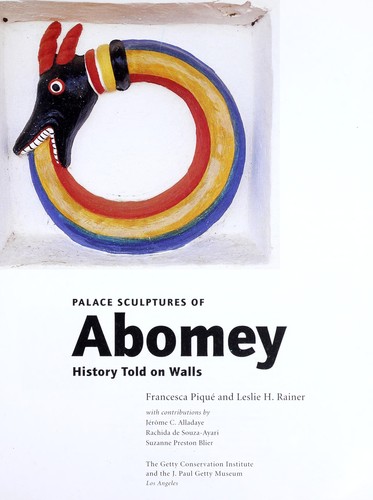
Palace sculptures of Abomey
Francesca Piqué, Francesca Pique, Leslie Rainer
Summary (Spoiler-Free)
The 'Palace Sculptures of Abomey' delves into the rich artistic heritage of the Kingdom of Dahomey, now known as Benin. This captivating exploration highlights the intricate sculptures that adorned the royal palaces, showcasing their historical significance and the craftsmanship behind them. The authors offer insightful commentary on the cultural context of these works, revealing how they reflect the kingdom's values, beliefs, and historical narratives. Through vivid illustrations and thoughtful analysis, readers are invited to appreciate the beauty and complexity of these remarkable artifacts.
Who Should Read This
If you have a passion for art history or are intrigued by African cultural heritage, this book is a must-read. The detailed exploration of the Abomey sculptures will captivate anyone interested in the intersection of art, history, and identity.
Frequently Asked Questions
Is 'Palace Sculptures of Abomey' part of a series, and how does it fit into a broader reading order?+
This book is a standalone work, meaning it does not belong to a series. Readers can approach it without needing prior knowledge of other titles or a specific reading order. It serves as a comprehensive introduction to the sculptures of Abomey, making it accessible for those who may not have a background in art history or African studies.
What is the audience appropriateness and content notes for this book?+
'Palace Sculptures of Abomey' is suitable for a wide audience, including students, art enthusiasts, and scholars interested in African art and history. The book contains rich illustrations that enhance the text, making it visually engaging. There are no explicit content warnings, but readers should be aware that it discusses historical practices and cultural contexts that might be unfamiliar and complex to some. Overall, it is an educational resource that aims to promote understanding of the importance of these sculptures.
Are there any adaptations of this book available, such as audiobooks or films?+
As of now, there are no known adaptations of 'Palace Sculptures of Abomey' into audiobooks or films. The book remains in its original printed format, which allows for a detailed exploration of the subject matter. However, its academic and artistic significance may inspire future projects, as the themes discussed are increasingly relevant in contemporary conversations about heritage and representation in art.
What makes this book distinct in its genre?+
'Palace Sculptures of Abomey' stands out in the genre of art history and cultural studies due to its focused examination of a specific artistic tradition within a historical context. The book combines scholarly research with accessible writing, allowing it to appeal to both academics and general readers. Its unique emphasis on the Dahomey Kingdom’s royal sculptures provides a nuanced understanding of how art functions within a society, which is often overlooked in broader art historical narratives.
What type of reader is likely to enjoy this book the most?+
Readers who appreciate in-depth explorations of art and culture will find 'Palace Sculptures of Abomey' particularly engaging. Those with an interest in African history, anthropology, or the role of art in societal values will also resonate with its themes. The book appeals to both casual readers seeking to learn more about an underrepresented aspect of world art and scholars looking for a detailed examination of a specific cultural artifact.
Similar Books You'll Love

0.0(0 ratings)
Rate this book:
Book at a Glance
~2 hr 8 min to read
- Pages
- 120
- First published
- 1999
- Original language
- EN