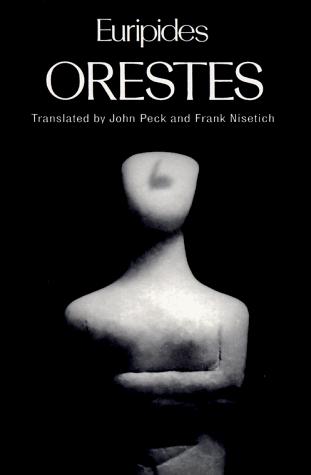
Orestes
Euripides
Summary (Spoiler-Free)
Euripides’ 'Orestes' explores the aftermath of a tragic family cycle marked by betrayal, revenge, and madness. Centered around Orestes and his sister Electra, the play delves into their psychological turmoil following the murder of their mother, Clytemnestra. As they grapple with their choices and the quest for justice, the narrative unfolds with intense emotional depth and moral complexity, showcasing the themes of fate and familial loyalty.
Who Should Read This
If you enjoy thought-provoking drama that examines the darker aspects of human nature and moral dilemmas, 'Orestes' will resonate with you. This play is particularly engaging for readers who appreciate classic literature that challenges the boundaries of ethics and familial duty.
Frequently Asked Questions
Is 'Orestes' part of a series or a standalone work?+
'Orestes' is a standalone play by Euripides, meaning it is not part of a series. While it draws on themes and characters from Greek mythology, particularly those surrounding the House of Atreus, it can be read and appreciated independently without prior knowledge of other works or plays.
What audience is 'Orestes' appropriate for, and are there any content notes?+
'Orestes' is suitable for mature audiences due to its exploration of dark themes such as murder, revenge, and madness. Readers should be aware that the play contains graphic depictions of violence and psychological distress that may be unsettling. It is often studied in academic settings, making it ideal for those interested in classic literature, drama, and Greek tragedies.
What formats is 'Orestes' available in, and are there any adaptations?+
'Orestes' is available in various formats including print, ebook, and audiobook. Many modern adaptations and interpretations exist, offering different perspectives on the original text. Additionally, it has been staged numerous times by theater companies around the world, allowing audiences to experience the play in a live format, which can enhance the emotional intensity of the narrative.
What makes 'Orestes' distinct within the drama genre?+
'Orestes' stands out in the drama genre due to its intense focus on psychological conflict and moral ambiguity. Unlike other works that may lean heavily on action or spectacle, this play emphasizes the internal struggles of its characters, particularly Orestes and Electra, as they confront the consequences of their decisions. Euripides’ unique approach to character development and emotional depth makes this work a compelling study of human nature.
What type of reader would likely enjoy 'Orestes'?+
Readers who are drawn to complex characterizations and intricate emotional landscapes will likely appreciate 'Orestes'. Those who enjoy classic tragedies that provoke deep reflection on themes of justice, revenge, and familial bonds will find this play particularly engaging. It appeals to individuals who value literary works that challenge societal norms and explore the darker aspects of the human experience.
Similar Books You'll Love

0.0(0 ratings)
Rate this book:
Book at a Glance
~5 hr 57 min to read
- Pages
- 336
- First published
- 1753
- Original language
- EN