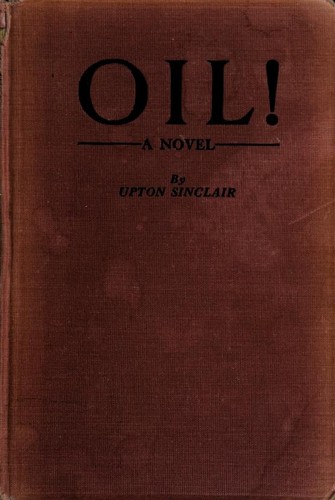
Oil!
Upton Sinclair
Summary (Spoiler-Free)
Set against the backdrop of California's oil boom in the early 20th century, 'Oil!' explores the intertwining lives of a wealthy oil magnate's family and the laborers who work for them. The narrative delves into themes of capitalism, corruption, and the moral dilemmas faced by individuals in pursuit of wealth and power. Through its rich character development and social commentary, the novel paints a vivid picture of a society grappling with the consequences of industrialization and greed.
Who Should Read This
If you have a penchant for intense drama that critiques societal issues, you might find 'Oil!' to be a gripping read. Sinclair's sharp observations on morality and capitalism will resonate with those who appreciate historical narratives infused with political commentary.
Frequently Asked Questions
Is 'Oil!' part of a series, and how does it fit within Upton Sinclair's body of work?+
'Oil!' is a standalone novel by Upton Sinclair, published in 1927. It is not part of a series, allowing readers to dive into its narrative without needing prior context from other works. Sinclair is well-known for his exploration of social issues and class struggles, with 'Oil!' fitting seamlessly into his broader critique of capitalism and its effects on society. This novel stands out for its focus on the oil industry, a significant element of American industrial growth, and it reflects Sinclair's commitment to exposing the harsh realities of exploitation and greed during that era.
What age group is this book suitable for, and are there any content warnings?+
'Oil!' is generally recommended for mature readers, typically those 16 years and older, due to its complex themes and social commentary. The novel addresses issues of corporate greed, labor exploitation, and class conflict, which may be intense for younger audiences. Additionally, readers should be aware that the story includes depictions of moral ambiguity and societal corruption, making it essential to approach the material with an understanding of its historical context. Overall, it is best suited for those who can engage critically with its themes.
Are there any adaptations of 'Oil!' available in other formats?+
While 'Oil!' has not been adapted into a major film or television series, it has inspired various discussions and analyses due to its relevance to the themes of environmentalism and corporate ethics in contemporary society. The novel is available in several formats, including print and digital editions, and there are audiobooks that bring Sinclair's prose to life. These formats allow readers to choose how they wish to engage with the text, making it accessible to a wide audience interested in exploring its themes through different mediums.
What distinguishes 'Oil!' within the drama genre?+
'Oil!' is distinct within the drama genre due to its potent combination of character-driven storytelling and incisive social critique. Sinclair’s ability to create complex characters, each representing different facets of society, allows for a rich exploration of moral dilemmas amidst the backdrop of the booming oil industry. The novel interweaves personal ambitions with broader societal issues, elevating it from mere drama to a profound commentary on the effects of capitalism and industrialization. Its historical context further enriches its dramatic elements, making it a significant work that prompts reflection on ongoing social issues.
What type of reader is likely to enjoy 'Oil!'?+
Readers who appreciate historical fiction with a strong social message are likely to enjoy 'Oil!'. Those drawn to narratives that explore the complexities of human ambition, morality, and the consequences of industrial progress will find this book compelling. Additionally, individuals interested in the intersections of economics and ethics will resonate with Sinclair's critique of capitalism. The novel invites thoughtful engagement with its themes, making it an excellent choice for readers who enjoy literature that challenges societal norms and encourages critical thinking.
Similar Books You'll Love
0.0(0 ratings)
Rate this book:
Book at a Glance
~— to read
- Pages
- —
- First published
- 1927
- Original language
- EN