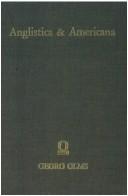
Oeuvres de Descartes
René Descartes
Summary (Spoiler-Free)
In 'Oeuvres de Descartes,' René Descartes presents a comprehensive collection of his philosophical writings that explore fundamental questions of existence, knowledge, and the nature of reality. This volume encapsulates his groundbreaking ideas and methods, emphasizing rationalism and the importance of doubt as a pathway to certainty. Through his famous meditations and treatises, Descartes challenges readers to engage deeply with their own beliefs and the processes of reasoning that shape them.
Who Should Read This
This book is a must-read for anyone who enjoys delving into the intricacies of philosophical thought and the foundations of modern philosophy. If you appreciate works that provoke deep reflection and challenge conventional wisdom, you will find Descartes' writings both enlightening and thought-provoking.
Frequently Asked Questions
Is 'Oeuvres de Descartes' part of a series or is it a standalone work?+
'Oeuvres de Descartes' is a standalone collection, encompassing various key writings by René Descartes. While it does not belong to a series, it serves as a crucial compilation for anyone interested in his philosophical contributions. Readers can explore this work independently without needing to follow a series, making it accessible to both new readers and those familiar with Descartes' philosophy.
What audience is this book appropriate for, and are there any content notes to consider?+
This book is primarily aimed at readers with an interest in philosophy, particularly those studying or engaging with the works of early modern philosophers. It may be more suited for an academic audience or those with a solid understanding of philosophical concepts, as Descartes' writings can be dense and require careful consideration. No specific content warnings are necessary, but readers should be prepared for complex discussions around metaphysics, epistemology, and ethics.
Are there any adaptations of 'Oeuvres de Descartes' available in other formats?+
While 'Oeuvres de Descartes' itself is a historical philosophical text and does not have film adaptations, there are numerous audiobooks and educational resources that discuss its themes and ideas. Audiobooks may provide an accessible way for listeners to engage with Descartes' writings, especially if they prefer auditory learning. Additionally, scholarly discussions and analyses of his work are widely available in various formats, enhancing the reading experience.
What makes this book distinct within the philosophy genre?+
'Oeuvres de Descartes' stands out in the philosophy genre due to its foundational role in establishing modern philosophical thought. Descartes' method of systematic doubt and his famous assertion 'Cogito, ergo sum' (I think, therefore I am) are pivotal concepts that have influenced countless philosophers and disciplines. The book provides a unique insight into the evolution of rationalism and the development of scientific inquiry, making it a cornerstone work that continues to resonate across various fields.
What type of reader tends to enjoy 'Oeuvres de Descartes'?+
Readers who appreciate in-depth philosophical discourse and are willing to engage with challenging content will likely enjoy 'Oeuvres de Descartes.' Those who have a passion for exploring existential questions, the nature of knowledge, and the philosophical underpinnings of reality will find this collection particularly rewarding. Additionally, students and scholars of philosophy, as well as anyone interested in the roots of modern thought, will find this book especially compelling.
Similar Books You'll Love

0.0(0 ratings)
Rate this book:
Book at a Glance
~10 hr 34 min to read
- Pages
- 596
- First published
- 1842
- Original language
- FR