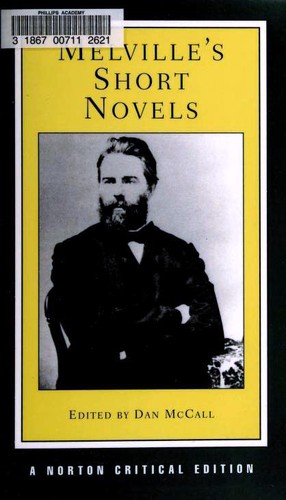
Novels (Bartleby, the Scrivener / Benito Cereno / Billy Budd)
Herman Melville
Summary (Spoiler-Free)
This collection features three of Herman Melville's most celebrated novellas: 'Bartleby, the Scrivener,' 'Benito Cereno,' and 'Billy Budd.' Each story delves into complex themes of individuality, morality, and the struggle against societal norms. Melville's signature narrative style and profound philosophical inquiries invite readers to reflect on the human condition. Through a blend of rich characterizations and compelling plots, this anthology showcases Melville's mastery of the literary form.
Who Should Read This
If you appreciate literature that challenges social conventions and invites deep contemplation, this collection is for you. Those who enjoy exploring the complexities of human nature through nuanced storytelling will find much to ponder in Melville's work.
Frequently Asked Questions
What is the reading order for the stories in this collection?+
This book is a standalone collection, so it does not require a specific reading order. Each novella—'Bartleby, the Scrivener,' 'Benito Cereno,' and 'Billy Budd'—can be read independently, allowing readers to engage with them in any sequence they prefer. However, beginning with 'Bartleby' is often recommended because it introduces Melville's distinct style and thematic concerns, setting the stage for the subsequent stories.
What is the target audience for this collection?+
This collection is primarily targeted towards readers who appreciate classic literature and are comfortable with complex themes and rich prose. It is suitable for high school students and adult readers, particularly those studying American literature or seeking to deepen their understanding of 19th-century literary movements. Content-wise, the stories explore mature themes such as existentialism, morality, and the struggles of the individual against societal expectations, which may resonate more with an adult audience.
Is there an audiobook or film adaptation available for this collection?+
Yes, 'Bartleby, the Scrivener' and 'Billy Budd' have both been adapted into various film and audio productions, while 'Benito Cereno' has also seen adaptations, albeit less frequently. Audiobook versions are available for all three stories, allowing listeners to experience Melville's language and themes through narrated performances. While there are several film adaptations, interpretations can vary significantly, so readers may wish to engage with the text first to fully appreciate Melville's nuanced storytelling.
What makes Melville's writing distinct in the classic literature genre?+
Herman Melville's work stands out within classic literature due to his innovative narrative techniques and profound exploration of philosophical themes. He often blends allegory with real-world social commentary, allowing readers to grapple with moral ambiguities and the complexities of human nature. His use of symbolism and richly layered characters creates a reading experience that provokes thought and discussion, distinguishing Melville from his contemporaries and solidifying his status as a pivotal figure in American literature.
What kind of reader tends to enjoy Melville's work?+
Readers who enjoy introspective and thought-provoking literature are likely to appreciate Melville's work. Those drawn to complex characters, moral dilemmas, and philosophical inquiries will find much to engage with in this collection. Additionally, fans of literary fiction that challenges conventional narratives and explores the depths of the human experience are typically captivated by Melville's unique voice and themes.
Similar Books You'll Love
0.0(0 ratings)
Rate this book:
Book at a Glance
~7 hr 14 min to read
- Pages
- 408
- First published
- 1962
- Original language
- EN