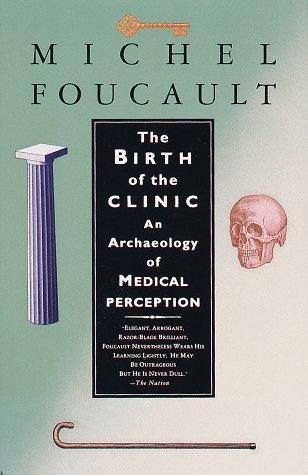
Naissance de la clinique
Michel Foucault
Summary (Spoiler-Free)
In 'Naissance de la clinique,' Michel Foucault explores the transformation of medical practice and the emergence of modern healthcare institutions. He examines the historical development of clinical medicine, emphasizing the ways in which power and knowledge intersect in the medical field. Through a critical lens, Foucault challenges conventional understandings of health, illness, and the role of the physician in society, paving the way for a deeper philosophical inquiry into the nature of medical authority.
Who Should Read This
This book is a must-read for anyone interested in the intersections of philosophy, medicine, and social theory. If you enjoy critical examinations of societal structures and the historical context of contemporary practices, Foucault's work will resonate with you.
Frequently Asked Questions
What is the reading order for this book, and is it part of a series?+
'Naissance de la clinique' is a standalone work by Michel Foucault and does not belong to a series. Readers can approach this text independently, though familiarity with Foucault’s broader philosophical themes may enhance understanding. Many readers choose to explore his other works after engaging with this text to gain a comprehensive view of his thoughts on power, knowledge, and societal structures.
Who is the intended audience for 'Naissance de la clinique'?+
'Naissance de la clinique' is primarily aimed at readers with an interest in philosophy, sociology, and the history of medicine. It is suitable for academics, students, and anyone intrigued by critical theoretical frameworks. However, due to its complex ideas and academic tone, it may not be the best choice for casual readers looking for straightforward narratives or light reading.
Are there any adaptations or alternative formats available for this book?+
Currently, 'Naissance de la clinique' is available primarily in print and eBook formats. Audiobook versions may not be widely available, as philosophical texts often rely on visual engagement with the written word. Scholars and readers interested in Foucault's ideas may prefer the traditional formats to fully grasp the nuances of his arguments.
What makes 'Naissance de la clinique' distinct within the philosophy genre?+
This work stands out in the philosophy genre due to its unique blend of historical analysis, critical theory, and medical discourse. Foucault's approach challenges traditional notions of medical authority and the clinical gaze, offering profound insights into how societal norms shape health practices. His distinctive style combines rigorous intellectual inquiry with a narrative that invites the reader to reconsider the relationship between power and knowledge.
What type of reader is likely to enjoy this book?+
'Naissance de la clinique' will appeal to readers who appreciate dense, thought-provoking texts that challenge conventional wisdom. Those with a keen interest in the philosophy of science, ethics in medicine, and social theory will find Foucault's exploration engaging. Readers who enjoy dissecting complex ideas and exploring the implications of historical developments in contemporary contexts are likely to resonate with this work.
Similar Books You'll Love

0.0(0 ratings)
Rate this book:
Book at a Glance
~3 hr 49 min to read
- Pages
- 215
- First published
- 1963
- Original language
- EN