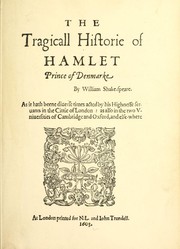
Merchants of Venice
William Shakespeare
Summary (Spoiler-Free)
In 'Merchants of Venice', William Shakespeare weaves a tale of love, justice, and mercy set against the backdrop of 16th-century Venice. The story follows the fortunes of Antonio, a merchant, and his friend Bassanio, who seeks to court the wealthy heiress Portia. As Antonio borrows money from the vengeful Shylock, a Jewish moneylender, tensions mount, leading to a dramatic courtroom confrontation. Themes of prejudice, loyalty, and the complexities of human relationships are explored throughout this timeless drama.
Who Should Read This
If you appreciate intricate character dynamics and moral dilemmas, 'Merchants of Venice' offers an enriching reading experience. Shakespeare's exploration of societal issues and personal conflicts will resonate with those who enjoy thought-provoking drama.
Frequently Asked Questions
Is 'Merchants of Venice' part of a series, and how does it fit within Shakespeare's works?+
'Merchants of Venice' is a standalone play by William Shakespeare, first published in 1797. Unlike some of Shakespeare's other works that are part of larger series or histories, this play focuses on its own plot and characters, making it accessible for readers new to Shakespeare. It is categorized as a comedy, though it blends elements of drama and tragedy, showcasing Shakespeare's versatility as a playwright. Readers can enjoy it independently, without needing to familiarize themselves with prior works.
Who is the intended audience for 'Merchants of Venice', and are there any content notes to consider?+
'Merchants of Venice' is generally suitable for older teens and adults, given its exploration of complex themes such as prejudice, justice, and mercy. While the language can be challenging for modern readers, it provides an opportunity to engage with Shakespeare's rich dialogue. Content notes include instances of racial and religious tension, particularly in the portrayal of Shylock, which may prompt critical discussions. Readers should approach these themes with an understanding of the historical context in which the play was written.
What formats is 'Merchants of Venice' available in, and are there any adaptations worth noting?+
'Merchants of Venice' is widely available in various formats, including print, digital editions, and audiobooks. Many publishers offer annotated versions that can aid in understanding the language and context. The play has also been adapted numerous times for film, stage, and even opera, with notable interpretations that bring fresh perspectives to its themes. These adaptations can provide additional layers of understanding and enjoyment, making the play accessible to diverse audiences.
What distinguishes 'Merchants of Venice' within the genre of drama?+
'Merchants of Venice' stands out in the drama genre for its unique blend of comedic elements with serious social commentary. Shakespeare's ability to create multifaceted characters, particularly in the contrasting figures of Shylock and Portia, allows for a rich exploration of morality and human nature. The courtroom scene is a hallmark of the play, showcasing the tension between law and equity, a theme that resonates with audiences across time. Its intricate plotting and character development set it apart from other works in the genre.
What kind of reader tends to enjoy 'Merchants of Venice'?+
Readers who enjoy classic literature, particularly those with an interest in themes of justice, love, and societal issues, will likely appreciate 'Merchants of Venice'. Fans of character-driven narratives and moral quandaries will find the play engaging. Additionally, those who enjoy discussions around historical context and social commentary will benefit from the layers of meaning present in Shakespeare's work. The play appeals to anyone looking to explore the complexities of human relationships through a dramatic lens.
Similar Books You'll Love
0.0(0 ratings)
Rate this book:
Book at a Glance
~1 hr 10 min to read
- Pages
- 66
- First published
- 1797
- Original language
- EN