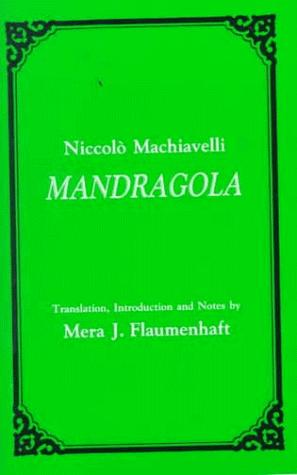
Mandragola
Niccolò Machiavelli
Summary (Spoiler-Free)
Set in Renaissance Italy, 'Mandragola' is a sharp, comedic play that explores themes of desire, deception, and the intricate dance of love and manipulation. The story follows a young man named Callimaco, who seeks the affections of the beautiful Lucrezia, a married woman. Using cunning schemes and the magical properties of mandrake, Callimaco navigates a web of intrigue, showcasing Machiavelli's wit and keen observations of human behavior.
Who Should Read This
If you enjoy clever satire and vibrant character dynamics, 'Mandragola' will likely resonate with you. Its exploration of ambition and human folly speaks to those who appreciate nuanced humor and classical themes in literature.
Frequently Asked Questions
Is 'Mandragola' part of a series, and how does it fit into Machiavelli's broader works?+
'Mandragola' is a standalone play, not part of any series. It stands apart from Machiavelli's more political writings, such as 'The Prince,' by focusing on themes of love and social manipulation rather than governance and power. This unique perspective allows readers to appreciate Machiavelli's versatility as an author, highlighting his ability to capture the complexities of human relationships in a comedic context.
What age group is this play appropriate for, and are there any content considerations?+
'Mandragola' is generally suitable for older teens and adults, given its mature themes surrounding love, infidelity, and manipulation. The humor can be quite risqué, reflecting the social mores of the Renaissance era. Readers should be prepared for innuendo and sexual undertones, which are integral to the storyline, but these elements are presented with a sense of wit and satire rather than explicitness.
Are there any adaptations of 'Mandragola' available, such as film or audio formats?+
Yes, 'Mandragola' has seen various adaptations over the years, including stage performances and audio recordings. The play's rich dialogue and engaging characters lend themselves well to theatrical interpretation, making it a popular choice for performance. Audiobook versions are also available, offering an accessible way to experience Machiavelli's humor and insight into the human condition.
What sets 'Mandragola' apart in the genre of drama?+
'Mandragola' distinguishes itself within the world of drama through its blend of comedy, social commentary, and philosophical insights. Unlike many contemporary comedies that may rely heavily on situational humor, Machiavelli's work is layered with intellectual wit and a keen understanding of human motivations. The use of a comedic premise to delve into serious themes of desire and manipulation makes it a unique and thought-provoking read in the realm of Renaissance literature.
What type of reader is likely to enjoy 'Mandragola'?+
Readers who appreciate satire, sharp dialogue, and character-driven narratives will likely find 'Mandragola' engaging. Those drawn to historical contexts, particularly the Renaissance, will enjoy the rich backdrop against which the story unfolds. Fans of drama that blend humor with deeper themes about society and human nature will resonate with Machiavelli's exploration of love and deception in this witty play.
Similar Books You'll Love
0.0(0 ratings)
Rate this book:
Book at a Glance
~50 min to read
- Pages
- 47
- First published
- 1554
- Original language
- —