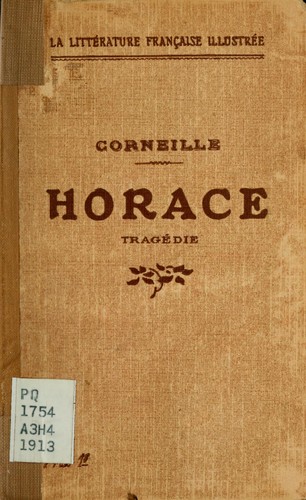
Horace
Pierre Corneille
Summary (Spoiler-Free)
Set against the backdrop of a conflict between two rival nations, 'Horace' delves into themes of honor, loyalty, and the complexities of familial duty. The story follows Horace, a young warrior, as he grapples with the weight of his responsibilities towards his family and his country. As tensions rise, his choices will test the very fabric of his values and relationships, leading to a powerful exploration of the human condition.
Who Should Read This
If you enjoy classic dramas that explore the intricacies of honor and moral dilemmas, 'Horace' offers a compelling narrative that resonates with timeless themes. Readers who appreciate character-driven stories with rich language and emotional depth are likely to find this play both engaging and thought-provoking.
Frequently Asked Questions
Is 'Horace' part of a series or a standalone work?+
'Horace' is a standalone play, distinct from any series. Written by Pierre Corneille and first published in 1656, it does not have prequels or sequels. Readers can enjoy it independently, making it an excellent choice for those interested in classic French drama without the need to delve into a larger narrative arc.
What is the intended audience for 'Horace'? Are there any content notes to consider?+
'Horace' is primarily aimed at readers who appreciate classic literature and dramatic works. Given its historical context and themes of war and familial conflict, it may contain elements that some modern readers might find intense or challenging. The exploration of honor and personal sacrifice may resonate deeply with readers who are drawn to complex moral dilemmas, while also offering a glimpse into the societal values of 17th-century France.
Are there any adaptations or formats available for 'Horace', such as audiobooks or films?+
While 'Horace' is primarily known as a play, it has been adapted for various theatrical performances over the years. As of now, there are several recordings and adaptations available in audio format, allowing readers to experience the drama in a different medium. However, film adaptations are less common compared to other works from the same period, which may enhance the play's theatrical elements rather than provide a visual representation.
What distinguishes 'Horace' within the drama genre?+
'Horace' stands out in the drama genre for its profound exploration of themes such as loyalty and the conflict between personal desires and societal obligations. Corneille's adept use of language and dramatic structure adds depth to character interactions, making the emotional stakes palpable. The play is often regarded as an early example of the tragic hero archetype, showcasing the tension between individual morality and the expectations placed upon one by family and society.
What type of reader is likely to enjoy 'Horace'?+
Readers who are drawn to intricate character studies and moral quandaries will likely find 'Horace' captivating. Those who appreciate works that challenge the dichotomy of duty and personal integrity will resonate with the narrative's emotional weight. Fans of classic literature and historical dramas, particularly those interested in French theatre, will also find much to admire in Corneille's craftsmanship and the play's thematic richness.
Similar Books You'll Love
0.0(0 ratings)
Rate this book:
Book at a Glance
~1 hr 45 min to read
- Pages
- 99
- First published
- 1656
- Original language
- EN