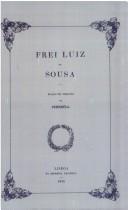
Frei Luís de Sousa
Almeida Garrett
Summary (Spoiler-Free)
Set in 16th-century Portugal, 'Frei Luís de Sousa' explores themes of love, sacrifice, and the complexities of duty through the life of a cloistered priest. The play delves into the emotional turmoil faced by its characters as they navigate personal desires against societal expectations. Almeida Garrett weaves a rich tapestry of dialogue and introspection, capturing the essence of a time marked by both fervent devotion and unyielding constraints.
Who Should Read This
If you appreciate deeply emotional dramas that tackle the intricacies of the human experience, 'Frei Luís de Sousa' might resonate with you. The play’s exploration of moral dilemmas and the clash between personal longing and societal obligation can leave a profound impact on readers who enjoy thought-provoking literature.
Frequently Asked Questions
Is 'Frei Luís de Sousa' part of a series, and how does it fit within the author's body of work?+
'Frei Luís de Sousa' is a standalone play by Almeida Garrett, written in the early 19th century. While it does not belong to a series, it is often regarded as a pivotal work in Portuguese literature, showcasing Garrett's skillful blend of Romanticism with classical influences. Understanding its context within Garrett's oeuvre can enhance appreciation for his themes of love, sacrifice, and the human condition.
What age group is this play appropriate for, and are there any content notes to consider?+
'Frei Luís de Sousa' is generally suitable for older teenagers and adults, given its themes of love, loss, and moral conflict. Readers may encounter intense emotional situations, including discussions on sacrifice and duty that reflect the characters' inner struggles. While there are no graphic scenes, the play does delve into complex emotional and ethical dilemmas that may require a mature understanding.
Are there any adaptations of 'Frei Luís de Sousa' available, such as film or audiobook versions?+
Yes, 'Frei Luís de Sousa' has been adapted into various theatrical productions over the years, highlighting its enduring relevance in the cultural landscape. While specific film adaptations may vary in availability, the play is often performed in Portuguese theatres, showcasing its dramatic impact. Audiobook versions may also be accessible through specialized platforms featuring classic literature, making it easier for modern audiences to experience Garrett's work.
What distinguishes 'Frei Luís de Sousa' from other works in the drama genre?+
'Frei Luís de Sousa' stands out for its unique blend of Romanticism and traditional themes, presenting a nuanced exploration of the human spirit under the weight of societal expectations. Garrett's eloquent language and emotional depth create an engaging dialogue that invites readers to reflect on the moral intricacies of love and duty. This combination of poetic expression and philosophical inquiry sets it apart from more straightforward dramatic works.
What type of reader is likely to enjoy 'Frei Luís de Sousa'?+
Readers who are drawn to character-driven narratives and complex emotional landscapes will likely find 'Frei Luís de Sousa' compelling. Those who appreciate literature that interrogates moral dilemmas and the human condition, especially within historical contexts, will resonate with Garrett's rich characterization and introspective themes. If you enjoy plays that challenge societal norms and provoke thoughtful reflection, this work is well-suited for you.
Similar Books You'll Love

0.0(0 ratings)
Rate this book:
Book at a Glance
~2 hr 36 min to read
- Pages
- 147
- First published
- 1800
- Original language
- PT