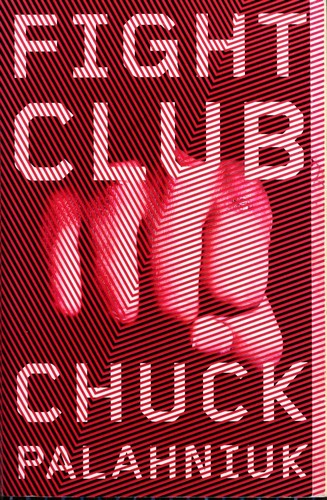
Fight Club
Chuck Palahniuk
Summary (Spoiler-Free)
In a world where consumer culture dominates, the unnamed protagonist grapples with his disillusionment and struggles with insomnia. Seeking an escape, he forms an underground fight club as a radical form of self-expression and rebellion against societal norms. As the club grows, it spirals into chaos, challenging notions of identity, masculinity, and the human condition. Chuck Palahniuk's 'Fight Club' delves deep into the psyche of its characters, offering a darkly satirical look at modern life and the lengths one will go to reclaim authenticity.
Who Should Read This
If you enjoy provocative narratives that question societal expectations and delve into the darker sides of human nature, 'Fight Club' might resonate with you. It's perfect for readers who appreciate a blend of psychological depth and raw, gritty storytelling.
Frequently Asked Questions
Is 'Fight Club' part of a series, and how does it fit into the reading order?+
'Fight Club' is a standalone novel, meaning it does not belong to a series and can be read independently. This allows readers to dive directly into the unique world Palahniuk creates without needing prior knowledge of other works. The novel's self-contained narrative focuses on its themes and characters, providing a complete experience. While Palahniuk has written other novels, each offers a different exploration of human experiences, making 'Fight Club' a distinct journey in its own right.
What age group is 'Fight Club' suitable for, and are there any content warnings?+
'Fight Club' is generally recommended for mature readers, typically those aged 18 and older. The novel contains graphic violence, strong language, and themes of mental illness and existentialism, which may be triggering for some. It delves into dark and complex aspects of identity, masculinity, and societal pressures, making it more appropriate for an adult audience. Readers should be prepared for intense themes that challenge conventional views of reality and self-worth.
Are there any adaptations available for 'Fight Club'?+
'Fight Club' has been adapted into a successful film directed by David Fincher, released in 1999, which has become a cult classic in its own right. The film captures the essence of Palahniuk's novel while presenting its themes visually and dramatically. Additionally, there are audiobook versions available that convey the raw intensity of the original text, allowing listeners to experience the narrative in a different format. These adaptations, while distinct, retain the core messages and provocative nature of the book.
What sets 'Fight Club' apart from other works in the science fiction genre?+
'Fight Club' stands out in the science fiction genre due to its unique blend of dark satire and psychological exploration. While it critiques consumerism and societal norms, it does so through an unconventional narrative that challenges readers’ perceptions of identity and reality. Palahniuk's writing style is marked by a raw, visceral quality that immerses readers in the protagonist's chaotic world. This fusion of existential themes with a gritty, urban setting distinguishes it from traditional science fiction narratives, making it a thought-provoking read for those looking for depth in their fiction.
What type of reader tends to enjoy 'Fight Club'?+
'Fight Club' is favored by readers who appreciate literature that confronts uncomfortable truths and provokes critical thought. Those drawn to psychological thrillers, dark humor, and explorations of masculinity and societal discontent will find this book compelling. It resonates with individuals who enjoy narratives that challenge the status quo and delve into the complexities of the human psyche. Readers who are open to unconventional storytelling and appreciate a raw, candid approach to difficult topics are likely to find 'Fight Club' a captivating experience.
Similar Books You'll Love

0.0(0 ratings)
Rate this book:
Book at a Glance
~4 hr to read
- Pages
- 226
- First published
- 1996
- Original language
- —