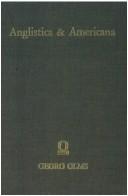
Experience and nature
John Dewey
Summary (Spoiler-Free)
In 'Experience and Nature', John Dewey explores the intricate relationship between human experience and the natural world. He argues that our understanding of nature is fundamentally shaped by our experiences and interactions with it, emphasizing the importance of a pragmatic approach to philosophy. Dewey's work delves into the implications of this relationship for various fields, including ethics, aesthetics, and education, inviting readers to reconsider traditional philosophical boundaries. This thought-provoking text encourages a reflective examination of how experience informs our perception of nature and vice versa.
Who Should Read This
If you are someone who enjoys deep philosophical inquiries that challenge traditional viewpoints, this book may resonate with you. 'Experience and Nature' is particularly suited for readers who appreciate a pragmatic approach to philosophy and are keen to explore the interconnectedness of human experience and the natural world.
Frequently Asked Questions
Is 'Experience and Nature' part of a series, or can it be read as a standalone?+
'Experience and Nature' is a standalone work by John Dewey, meaning it does not belong to a series. Readers can approach this book independently without needing prior knowledge of Dewey's other works. It serves as a comprehensive exploration of Dewey's philosophical ideas regarding the relationship between human experience and the natural environment, making it accessible for both newcomers and those familiar with his philosophy.
What types of readers will find 'Experience and Nature' engaging?+
This book is likely to appeal to readers who have a keen interest in philosophy, particularly those who are drawn to pragmatism and the intersection of human experience with nature. Academics, students, and anyone passionate about exploring how philosophical concepts apply to real-world experiences will find Dewey's insights compelling. Additionally, individuals looking for a deeper understanding of ethical and aesthetic considerations in relation to nature will appreciate the thought-provoking discussions presented in this work.
Are there any content notes or themes that readers should be aware of?+
'Experience and Nature' engages with complex philosophical themes, including existential inquiries and the nature of reality, which might be dense for some readers. It discusses the philosophical implications of human interaction with the environment, which includes reflections on ethics and aesthetics. Readers should be prepared for a thoughtful and sometimes abstract exploration of these topics, as Dewey challenges conventional wisdom and encourages critical thinking about the relationship between experience and nature.
Is 'Experience and Nature' available in different formats or adaptations?+
'Experience and Nature' is available in various formats, including print and digital editions, which makes it accessible to a wide range of readers. While there is no major film or television adaptation of this philosophical work, audiobooks may be available for those who prefer to absorb the content through listening. The availability of different formats ensures that readers can engage with Dewey's ideas in a manner that suits their preferences.
What makes 'Experience and Nature' distinct within the philosophy genre?+
'Experience and Nature' stands out in the philosophy genre for its pragmatic perspective, emphasizing the significance of lived experience in understanding philosophical concepts. Dewey's approach is characterized by a departure from abstract theorizing, instead rooting his ideas in real-world interactions and experiences. This focus on the practical implications of philosophy, along with his unique blend of ethics, aesthetics, and education, distinguishes this work from more traditional philosophical texts, inviting readers to engage with philosophy as a dynamic and applicable discipline.
Similar Books You'll Love
0.0(0 ratings)
Rate this book:
Book at a Glance
~7 hr 51 min to read
- Pages
- 443
- First published
- 1925
- Original language
- EN