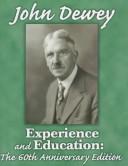
Experience and education
John Dewey
Summary (Spoiler-Free)
In 'Experience and Education,' John Dewey explores the intricate relationship between experiential learning and formal education. He argues for a progressive approach to teaching that emphasizes the importance of personal experience in the educational process. Dewey critiques traditional methods, advocating for an educational philosophy that fosters critical thinking and adaptability in students. This work is a profound examination of how education can be transformed to align with a more dynamic and interactive understanding of experience.
Who Should Read This
If you are drawn to philosophical inquiries about the nature of learning and education, this book will resonate with you. Dewey's insights are particularly compelling for those interested in progressive educational theories and their application in contemporary settings.
Frequently Asked Questions
Is 'Experience and Education' part of a series, and what is the reading order?+
This book is a standalone work by John Dewey and does not belong to a series. Therefore, there is no specific reading order to follow. However, readers may find it beneficial to explore Dewey's other writings on philosophy and education for a more comprehensive understanding of his ideas in context. Each of his works can be approached independently, making this book accessible for new readers interested in his educational philosophy.
What audience is 'Experience and Education' appropriate for?+
This book is primarily suited for educators, students of education, and philosophy enthusiasts. It offers profound insights into the principles of experiential learning, making it a valuable read for those involved in teaching and curriculum development. While it is approachable for lay readers, a foundational understanding of educational theory may enhance the reader's engagement with Dewey's arguments. The language is academic but accessible, allowing a broad audience to appreciate its implications.
Are there any adaptations or formats available for 'Experience and Education'?+
Yes, 'Experience and Education' is available in multiple formats, including print and digital editions. Additionally, there are audiobook versions that allow for an auditory exploration of Dewey's ideas. These formats make it easier for a diverse range of readers to access the text, whether they prefer to read it in traditional book form or listen to it on the go. However, as of now, there are no film adaptations, as the nature of the content is primarily theoretical and philosophical.
What distinguishes 'Experience and Education' within its genre?+
What sets 'Experience and Education' apart in the realm of educational philosophy is Dewey's emphasis on the synergy between experience and learning. Unlike many educational theories that prioritize rote memorization or rigid curricula, Dewey's work advocates for a holistic approach, where personal experience informs and enriches the educational process. His clear articulation of the importance of adaptability, critical thinking, and experiential learning makes this work a foundational text in progressive education, influencing both theory and practice across generations.
What type of reader will enjoy 'Experience and Education' the most?+
Readers who have a keen interest in the intersection of philosophy and education will find 'Experience and Education' particularly engaging. This book appeals to those who appreciate deep intellectual discussions about how we learn and grow through experiences. Educators, in particular, will benefit from Dewey's insights as they seek to implement more progressive teaching methods. Additionally, individuals who enjoy exploring how philosophical concepts can be applied in practical contexts will find this book both thought-provoking and inspiring.
Similar Books You'll Love

0.0(0 ratings)
Rate this book:
Book at a Glance
~2 hr 3 min to read
- Pages
- 116
- First published
- 1938
- Original language
- EN