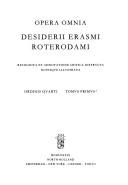
Desiderii Erasmi Roterodami opera omnia
Desiderius Erasmus, S. Dresden, J. Trapman, C. Augustijn, Ch Bene, V. Branca
Summary (Spoiler-Free)
Desiderii Erasmi Roterodami opera omnia is a comprehensive collection of the works of the influential Renaissance thinker Desiderius Erasmus. This anthology showcases Erasmus's profound insights into philosophy, education, and religion, as well as his critiques of contemporary society. The text exemplifies the spirit of humanism and invites readers to reflect on moral and ethical dilemmas that are as relevant today as they were in the 16th century.
Who Should Read This
If you find yourself intrigued by the interplay of philosophy and humanism, this collection will resonate deeply with you. Those who appreciate thought-provoking discussions on morality and the human condition will find Erasmus's insights timeless and compelling.
Frequently Asked Questions
Is this book part of a series, and how does it fit into the reading order?+
Desiderii Erasmi Roterodami opera omnia is a standalone work, meaning it is not part of a series. This allows readers to approach it independently, diving directly into Erasmus's thoughts without needing prior context from other texts. However, understanding the historical backdrop of the Renaissance and the Reformation can enhance the reading experience, as many themes discussed in the work are deeply interwoven with the cultural and intellectual movements of that time.
What audience is this book appropriate for, and are there any content notes?+
This book is suitable for readers with a strong interest in philosophy, history, and Renaissance literature. Given its exploration of religious themes, ethical questions, and societal critiques, readers should be prepared for complex ideas and discussions that may challenge conventional thinking. While the language may reflect the period in which it was written, modern translations can aid accessibility. Some content may also provoke critical reflection on contemporary societal issues, which could be sensitive for some readers.
Are there any adaptations available for this book, such as audiobooks or films?+
Currently, there are no widely known adaptations of Desiderii Erasmi Roterodami opera omnia into film or television. However, various scholarly and educational resources, including audiobooks and lectures, may be available that focus on Erasmus’s ideas and impact. These resources can serve as supplementary material for those who wish to delve deeper into his philosophy or hear his work interpreted in modern contexts.
What makes this book distinct within its genre of philosophy?+
This collection stands out in the philosophical genre for its combination of humanistic thought and a critical examination of society and religion. Erasmus's style is marked by wit, irony, and a keen understanding of human nature, making complex ideas accessible to a broader audience. His emphasis on reason and education as tools for moral improvement distinguishes his philosophical stance from others of his time, which often leaned more heavily on dogmatic approaches. This blend of intellect and approachability makes the work a significant contribution to philosophical literature.
What type of reader is likely to enjoy this book the most?+
Readers who appreciate deep philosophical inquiry, especially those with an interest in Renaissance humanism, will likely find this book highly engaging. Academics, students, and anyone drawn to discussions about morality, ethics, and the human experience will resonate with Erasmus's insights. Additionally, those who enjoy historical perspectives on contemporary issues will find the themes explored in this collection both relevant and thought-provoking.
Similar Books You'll Love

0.0(0 ratings)
Rate this book:
Book at a Glance
~6 hr 55 min to read
- Pages
- 390
- First published
- 1540
- Original language
- EN