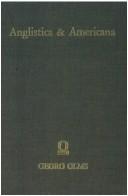
De hominis dignitate
Giovanni Francesco Pico della Mirandola, Patricia Mari-Fabre
Summary (Spoiler-Free)
In 'De hominis dignitate', Giovanni Francesco Pico della Mirandola explores the intrinsic value of humanity, articulating a profound philosophy that underscores the dignity and potential of human beings. Through a series of contemplative essays, the author delves into the relationship between man and the cosmos, advocating for the unique position of humans as free agents capable of shaping their own destinies. This work invites readers to reflect on the moral and ethical dimensions of existence, encouraging an appreciation for the beauty and complexity of the human condition.
Who Should Read This
If you appreciate philosophical texts that challenge conventional thought and delve into the essence of what it means to be human, this book may resonate with you. Its eloquent prose and deep insights can inspire readers who seek to engage with profound questions about dignity and purpose.
Frequently Asked Questions
What is the reading order for 'De hominis dignitate' and is it part of a series?+
'De hominis dignitate' is a standalone work, meaning it does not belong to a series. This allows readers to approach it independently without needing prior knowledge from other texts. As a self-contained exploration of philosophical themes, it can be appreciated by both newcomers to philosophy and those well-versed in the subject. Readers can dive straight into this work without feeling lost or needing to read additional volumes.
Who is the intended audience for this book, and are there any content notes to consider?+
This book is primarily aimed at readers interested in philosophy, ethics, and humanism. It engages with complex ideas that may appeal to students, scholars, and anyone looking to deepen their understanding of human dignity. While the text is intellectually stimulating, it does not contain graphic content or themes that may be distressing. However, readers should be prepared for dense philosophical discussions that require contemplation and reflection.
Is 'De hominis dignitate' available in formats other than print, such as audiobook or digital editions?+
As of now, 'De hominis dignitate' is primarily available in print format. There may be limited availability in digital editions, depending on the publisher. Audiobook adaptations are not widely recognized for this title, given its philosophical nature, which often benefits from the reader's engagement with the text. For those who prefer digital reading, checking e-book platforms is recommended, as availability may vary.
What sets 'De hominis dignitate' apart in the philosophy genre?+
'De hominis dignitate' stands out within the philosophy genre due to its unique focus on human dignity and the potential of humanity. Unlike many philosophical texts that may dwell on abstract concepts, this work emphasizes the practical implications of human dignity in everyday life. Pico della Mirandola's eloquent prose and compelling arguments draw readers in, encouraging them to grapple with their own understanding of what it means to be human in a complex world.
What kind of readers are most likely to enjoy this book?+
Readers who enjoy contemplative and intellectually engaging texts will likely find 'De hominis dignitate' appealing. Those with an interest in existential questions, ethics, and the philosophy of the human experience will appreciate Pico della Mirandola's insights. Additionally, individuals open to exploring the interplay between philosophy and personal reflection may find the book particularly enriching, as it encourages readers to examine their own beliefs about dignity and existence.
Similar Books You'll Love
0.0(0 ratings)
Rate this book:
Book at a Glance
~2 hr 34 min to read
- Pages
- 145
- First published
- 1942
- Original language
- EN