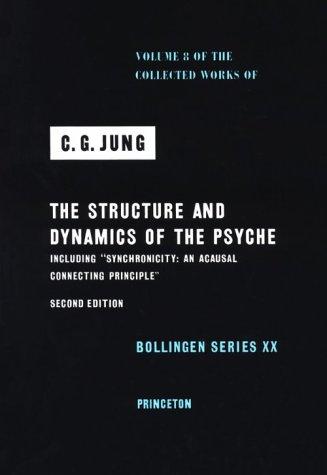
Critique of psychoanalysis
Carl Gustav Jung
Summary (Spoiler-Free)
In 'Critique of Psychoanalysis,' Carl Gustav Jung presents a rigorous examination of the principles and practices of psychoanalysis, challenging and expanding upon the ideas of his predecessor, Sigmund Freud. Jung delves into the depths of the human psyche, exploring concepts such as the collective unconscious, archetypes, and individuation. This work is not just a critique but also a proposal for a more holistic understanding of the mind, blending psychological theory with philosophical inquiry. As Jung articulates his vision, readers are invited to reconsider the implications of psychoanalytic thought in the context of human experience.
Who Should Read This
If you have a keen interest in psychology and philosophy, and you enjoy deep, introspective analyses of the human mind, this book may resonate with you. Readers who appreciate a critical approach to established theories will find Jung's insights particularly compelling.
Frequently Asked Questions
Is 'Critique of Psychoanalysis' part of a series or can it be read as a standalone?+
This book is a standalone work and does not belong to any series. Readers can approach it independently, as it offers a comprehensive exploration of Jung's thoughts on psychoanalysis without requiring prior knowledge of other texts. However, those familiar with Jung's earlier works or Freud's theories may find additional context and depth in this critique.
Who is the intended audience for this book, and are there any content notes?+
'Critique of Psychoanalysis' is primarily aimed at readers with an interest in psychology, philosophy, and the theoretical underpinnings of psychoanalysis. It is suitable for scholars, students, and general readers who seek a deeper understanding of psychological concepts. The book discusses complex ideas that may be challenging for casual readers, and it engages with mature themes, including the intricacies of human behavior and mental health. Readers should be prepared for thoughtful and sometimes dense prose.
What formats is 'Critique of Psychoanalysis' available in, and are there any adaptations?+
The book is available in various formats, including hardcover, paperback, and digital editions such as eBooks. As of now, there are no major film or television adaptations of this work, which is typical for philosophical texts. Audiobook versions may also be available, allowing for an accessible way to engage with Jung's ideas for those who prefer listening over reading.
What distinguishes 'Critique of Psychoanalysis' within its genre?+
This book stands out in the philosophy and psychology genres due to Jung's unique perspective, which incorporates elements of both analytical psychology and philosophical inquiry. Unlike many critiques that focus solely on the technical aspects of psychoanalysis, Jung's work invites readers to explore the broader implications of psychoanalytic theory on personal development and human consciousness. His emphasis on concepts like the collective unconscious and archetypes provides a rich, interdisciplinary approach that is less common in traditional psychoanalytic critiques.
What type of reader will likely enjoy this book the most?+
Readers who are drawn to deep philosophical discussions about the human psyche and its complexities will likely find 'Critique of Psychoanalysis' particularly engaging. Individuals with a background in psychology or those interested in the theoretical debates surrounding psychoanalysis will appreciate Jung's critical yet constructive approach. Additionally, those who enjoy exploring the interplay between psychology and other fields, such as literature and art, may find Jung's insights especially rewarding.
Similar Books You'll Love
0.0(0 ratings)
Rate this book:
Book at a Glance
~11 hr 41 min to read
- Pages
- 659
- First published
- 1956
- Original language
- EN