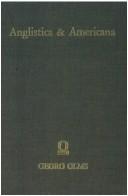
Classification
Library of Congress. Subject Cataloging Division.
Summary (Spoiler-Free)
In 'Classification', the Library of Congress delves into the intricate world of subject cataloging, exploring the philosophical underpinnings of how knowledge is organized and classified. This work presents a comprehensive framework that reflects on the principles of categorization and the significance of classification systems in the library sciences. Readers will find an analytical discussion that bridges the gap between philosophy and practical application in information management.
Who Should Read This
If you have a passion for philosophy and a keen interest in the systems that underpin knowledge organization, this book may resonate with you. It's particularly appealing to those who appreciate the intersections of thought and practical methodology in the realm of libraries and information science.
Frequently Asked Questions
Is 'Classification' part of a series, or can it be read as a standalone?+
'Classification' is a standalone work, meaning it does not belong to a series. Readers can approach it independently without needing prior knowledge of other texts. This makes it an accessible option for those interested in the philosophy of classification and library science, allowing for a focused exploration of the subject matter without the commitment of a series.
Who is the intended audience for this book, and are there any content notes to consider?+
The book is primarily aimed at scholars, librarians, and students of library science and philosophy who are interested in the theoretical aspects of knowledge organization. It discusses concepts that may require a certain level of familiarity with philosophical terminology and library practices. While the content is scholarly, it is presented in a way that is approachable for readers with a genuine interest in the subject, though some may find it dense if they are not accustomed to academic texts.
Are there any adaptations of 'Classification' available, such as audiobooks or films?+
As of now, 'Classification' has not been adapted into other formats such as audiobooks or films. It remains primarily a printed work, which allows readers to engage deeply with the text and its philosophical discussions. This format is particularly beneficial for absorbing the detailed analysis and nuanced arguments presented within the book.
What makes 'Classification' distinct within the philosophy genre?+
'Classification' stands out in the philosophy genre due to its unique focus on the intersection of philosophical thought and practical applications in cataloging and information management. Unlike many philosophical texts that dwell on abstract concepts, this book provides real-world relevance by addressing how classification impacts the organization of knowledge. Its specificity to library science and its implications for knowledge dissemination make it a distinctive entry in philosophical literature.
What type of reader is likely to enjoy 'Classification' the most?+
Readers who thrive on exploring the deeper meanings behind systems of knowledge and the organization of information will find 'Classification' particularly engaging. It appeals to those interested in both the philosophical implications of classification and its practical applications in libraries. If you have an inquisitive mind that enjoys dissecting complex ideas within a structured framework, this book will likely captivate your interest.
Similar Books You'll Love

0.0(0 ratings)
Rate this book:
Book at a Glance
~6 hr 26 min to read
- Pages
- 363
- First published
- 1904
- Original language
- EN