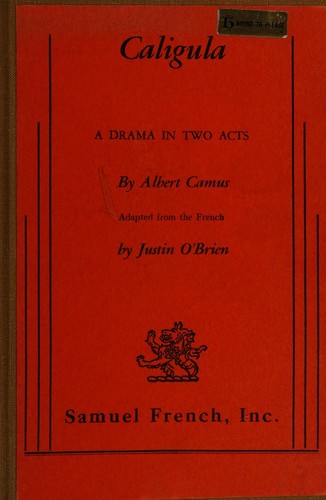
Caligula
Albert Camus
Summary (Spoiler-Free)
In Albert Camus's 'Caligula,' the narrative delves into the tumultuous reign of the infamous Roman emperor, exploring the themes of absurdity, power, and the human condition. The play portrays Caligula's descent into tyranny as he grapples with profound existential questions following the death of his beloved sister. Through a blend of stark realism and philosophical inquiry, Camus challenges the audience to reflect on the limits of reason and the nature of freedom in a world dominated by chaos. The work ultimately presents a thought-provoking examination of the darker sides of ambition and the human psyche.
Who Should Read This
If you are drawn to intense character studies and philosophical explorations within dramatic settings, 'Caligula' is likely to resonate with you. Camus's unique style and deep existential themes will appeal to readers who appreciate thought-provoking literature that challenges societal norms and human motivations.
Frequently Asked Questions
Is 'Caligula' part of a series, and how does it fit within Camus's body of work?+
'Caligula' is a standalone play by Albert Camus, first published in 1961. It does not belong to any series, allowing readers to engage with it independently. This work is significant within Camus's oeuvre, as it reflects his existentialist philosophy and his exploration of absurdity, themes that are prevalent in his other writings. Readers familiar with his novels and essays will find familiar motifs in 'Caligula,' making it an essential piece for understanding his overall literary contributions.
What audience is 'Caligula' appropriate for, and are there any content notes to consider?+
'Caligula' is best suited for mature readers due to its exploration of themes such as power, tyranny, and existential despair. The play contains intense scenes that may be unsettling, including depictions of violence and mental anguish, which reflect the darker aspects of Caligula's rule. It is recommended for readers who are comfortable with philosophical discussions and dramatic portrayals of human suffering, as well as those interested in historical figures and their psychological complexities.
What formats is 'Caligula' available in, and are there any adaptations?+
'Caligula' is available in several formats, including print, e-book, and audiobook. Each format brings its unique experience to the reader, whether it's the tactile feel of the printed page or the immersive quality of an audiobook. Additionally, the play has seen various adaptations on stage, allowing audiences to experience Camus's work through different artistic interpretations. These adaptations often highlight the play's intense themes and philosophical inquiries, making the work accessible to a broader audience.
What makes 'Caligula' distinct within the drama genre?+
'Caligula' stands out in the drama genre due to its bold exploration of existential themes and its complex characterization of a historical figure. Unlike traditional narratives that often focus on linear plot progression, Camus's work emphasizes philosophical dialogue and the internal struggles of its characters, particularly the titular emperor. The play's innovative structure and its blend of absurdism with historical context set it apart from more conventional dramatic works, inviting audiences to engage with profound questions about the nature of power, freedom, and the human experience.
What kind of reader tends to enjoy 'Caligula'?+
Readers who appreciate deep philosophical discourse and character-driven stories will likely find 'Caligula' compelling. Those with an interest in existentialism, the complexities of human nature, and historical drama will resonate with Camus's thought-provoking examination of tyranny and madness. Additionally, individuals who enjoy plays that challenge societal norms and provoke critical reflection about morality and the human condition will find much to engage with in this powerful work.
Similar Books You'll Love
0.0(0 ratings)
Rate this book:
Book at a Glance
~1 hr 31 min to read
- Pages
- 86
- First published
- 1961
- Original language
- EN