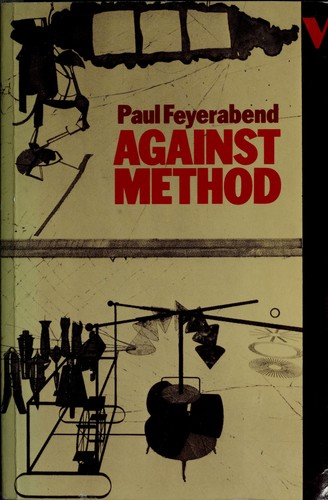
Against Method
Paul K. Feyerabend
Summary (Spoiler-Free)
In 'Against Method,' Paul K. Feyerabend challenges the traditional views of scientific methodology, positing that no singular method can claim superiority in the pursuit of knowledge. He argues for a pluralistic approach to science that acknowledges the role of creativity and diversity in scientific advancements. This provocative work examines the historical context of scientific practices and critiques the dogmatic adherence to a rigid methodology that often stifles innovation and understanding. Feyerabend's engaging prose invites readers to reconsider the foundations of scientific inquiry and the nature of knowledge itself.
Who Should Read This
If you thrive on questioning established norms and appreciate a contrarian perspective on science and philosophy, 'Against Method' is likely to resonate with you. This book is particularly engaging for those who enjoy exploring the interplay between creativity and logic in the development of ideas.
Frequently Asked Questions
What is the reading order for 'Against Method' within the context of philosophy?+
'Against Method' is a standalone work by Paul K. Feyerabend and does not belong to a series. It can be read independently, making it accessible to those who are new to philosophical discussions about science. While Feyerabend's ideas may build on themes present in other philosophical works, readers do not need to have prior knowledge of his previous writings to appreciate the arguments presented in this book. Its exploration of scientific methodology stands on its own, inviting readers to engage with its concepts without needing to follow a specific reading sequence.
Is 'Against Method' suitable for all audiences or does it contain specific content that may affect certain readers?+
'Against Method' is primarily aimed at readers with an interest in philosophy, science, and epistemology. It engages with complex ideas and critiques established norms, which may be challenging for those unfamiliar with philosophical discourse. The book does not contain explicit content but rather addresses theoretical concepts that may provoke strong opinions. Readers who are comfortable with abstract reasoning and who enjoy questioning conventional wisdom will likely find the text rewarding. However, those looking for a straightforward narrative or light reading may want to approach this book with a readiness to engage deeply with its philosophical arguments.
Are there any adaptations of 'Against Method' available in different formats?+
'Against Method' is available in various formats, including paperback, hardcover, and digital editions, making it accessible to a wide range of readers. An audiobook version is also available, providing an alternative option for those who prefer listening to books. The audiobook allows for an immersive experience of Feyerabend's thought-provoking ideas, which can be particularly engaging when presented by a skilled narrator. While there are no film adaptations of this philosophical work, the ideas discussed within have influenced various discussions in both academic and popular contexts, often appearing in lectures and seminars focused on the philosophy of science.
What distinguishes 'Against Method' from other philosophical works on science?+
'Against Method' stands out in the philosophy of science for its radical critique of the notion that a single method can adequately capture the complexities of scientific inquiry. Feyerabend advocates for a more anarchistic view of science, emphasizing the importance of diversity in methodologies and the value of unconventional approaches. Unlike many philosophers who seek to establish a 'proper' method for science, Feyerabend's work encourages readers to embrace chaos and creativity as essential components of scientific progress. This distinct perspective challenges readers to rethink the assumptions they may hold about what constitutes valid knowledge and scientific practice.
What type of reader is likely to enjoy 'Against Method'?+
'Against Method' will likely appeal to readers who enjoy engaging with philosophical debates and questioning established paradigms. Those who are drawn to critical thinking and enjoy exploring the nuances of scientific practice will find Feyerabend's arguments stimulating. The book tends to resonate with academics, students of philosophy, and anyone interested in the interplay between science and society. Readers who appreciate a provocative, thought-provoking style that challenges their assumptions about knowledge creation will be particularly engaged by this work, making it a significant read for those seeking to expand their intellectual horizons.
Similar Books You'll Love

0.0(0 ratings)
Rate this book:
Book at a Glance
~6 hr 6 min to read
- Pages
- 344
- First published
- 1975
- Original language
- EN