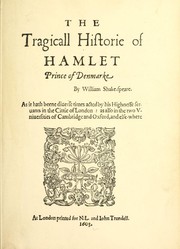
A study of Hamlet, Prince of Denmark
William Shakespeare
Summary (Spoiler-Free)
In 'Hamlet, Prince of Denmark,' Shakespeare crafts a timeless tale of revenge, madness, and moral ambiguity. The play centers on Prince Hamlet as he grapples with the sudden death of his father and the hasty remarriage of his mother, Gertrude, to his uncle, Claudius. As Hamlet delves into the depths of his grief and confusion, he encounters themes of betrayal, the complexity of human emotion, and the struggle for truth in a world rife with deception.
Who Should Read This
This play is a must-read for anyone who enjoys deep psychological exploration and complex character dynamics. If you appreciate rich language and the exploration of existential themes, 'Hamlet' will resonate with you on multiple levels.
Frequently Asked Questions
Is 'Hamlet' part of a series, and how does it fit into Shakespeare's works?+
'Hamlet, Prince of Denmark' is a standalone play and does not belong to a series, unlike some of Shakespeare's other works that are linked by recurring characters or themes. It stands out within Shakespeare's oeuvre as one of his most celebrated tragedies, often regarded as the pinnacle of his dramatic achievements. Readers may find it enriching to approach it after exploring other Shakespearean plays, as it showcases his mastery of language and characterization.
What age group or audience is 'Hamlet' appropriate for?+
'Hamlet' is typically appropriate for readers aged 14 and up, but its complex themes and language can be challenging for younger audiences. The play delves into heavy subjects such as revenge, madness, and moral ambiguity, which can prompt deep discussions. Educators often use it in high school curricula, making it accessible to students who are prepared to engage with its rich text and profound philosophical questions.
Are there any adaptations or formats available for 'Hamlet'?+
'Hamlet' has been adapted into various formats, including film, stage productions, and audiobooks. Numerous film adaptations have brought different interpretations to life, catering to a broad audience. Audiobook versions also exist, allowing listeners to experience the dialogue and soliloquies in an engaging way. Additionally, many theaters worldwide continue to perform 'Hamlet,' highlighting its enduring relevance and appeal.
What makes 'Hamlet' stand out within the drama genre?+
'Hamlet' is distinguished within the drama genre by its profound psychological depth and exploration of the human condition. It masterfully intertwines themes of action versus inaction, the complexity of truth, and the struggle with identity. The play's iconic soliloquies, particularly Hamlet's contemplation of existence and morality, have left a lasting impact on literature and drama, influencing countless works after it. This exploration of internal conflict sets it apart from more straightforward narratives in the genre.
What type of reader is likely to enjoy 'Hamlet'?+
Readers who enjoy intricate character studies and philosophical inquiry will likely find 'Hamlet' compelling. Those with an appreciation for classic literature and theatrical works will relish the rich language and emotional depth of the play. Additionally, fans of stories that provoke thought on morality, existence, and human relationships will be drawn to the multifaceted layers of Hamlet's character and the broader themes presented throughout the narrative.
Similar Books You'll Love

0.0(0 ratings)
Rate this book:
Book at a Glance
~4 hr 6 min to read
- Pages
- 231
- First published
- 1800
- Original language
- EN