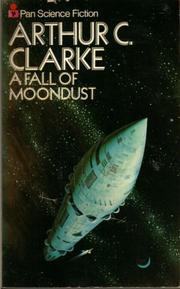
2061
Arthur C. Clarke
Summary (Spoiler-Free)
Set in a future where humanity has expanded its reach across the solar system, '2061' explores the complexities of exploration and discovery. The story revolves around a pivotal journey to Halley's Comet, where a diverse group of characters confronts both the wonders and dangers of space. Clarke weaves together themes of adventure, the unknown, and humanity's place in the cosmos, creating a thought-provoking narrative that challenges our understanding of life beyond Earth.
Who Should Read This
If you’re captivated by the vastness of space and the potential for human exploration, this book is a thoughtful journey that will resonate with you. Fans of speculative fiction that delves into philosophical questions about existence and the future will find much to appreciate in Clarke’s vision.
Frequently Asked Questions
Is '2061' part of a series, and does it have to be read in a specific order?+
'2061' is a standalone novel written by Arthur C. Clarke and does not belong to any series. Readers can approach it independently without needing to familiarize themselves with previous works in the genre or Clarke’s bibliography. This allows new readers to dive into the story without any prerequisite knowledge, making it a great entry point into Clarke’s imaginative universe.
What age group is this book appropriate for, and are there any content notes to consider?+
'2061' is generally suitable for older teens and adults, as it addresses complex themes and concepts related to space exploration and humanity's future. While the narrative remains accessible, readers should be prepared for scientific discussions and philosophical reflections that may challenge younger readers. There are no explicit scenes or graphic content, but the thematic depth may resonate more with mature audiences who can appreciate the intricacies of Clarke’s storytelling.
Are there any adaptations of '2061' in other formats, such as audiobooks or films?+
As of now, there are no film adaptations of '2061.' However, the novel is available in various formats, including print and audiobook. The audiobook version allows listeners to experience Clarke's rich narrative through immersive storytelling, making it a suitable option for those who prefer auditory learning or enjoy literature during commutes or while multitasking.
What distinguishes '2061' within the science fiction genre?+
'2061' stands out in the science fiction genre due to its blend of hard science and philosophical inquiry. Clarke’s narrative goes beyond mere scientific exploration to engage with deeper questions about humanity’s role in the universe and the potential for contact with extraterrestrial life. The book’s exploration of space travel is grounded in realistic scientific principles, yet it invites readers to ponder the moral and existential implications of such advancements, setting it apart from more action-oriented sci-fi works.
What kind of readers are likely to enjoy '2061'?+
Readers who appreciate speculative narratives that intertwine adventure with philosophical musings will likely find '2061' appealing. Those who enjoy stories that provoke thought about the future of humanity, space exploration, and the ethical dilemmas surrounding technological advancements will resonate with Clarke’s insights. Additionally, fans of classic science fiction that emphasizes ideas over action will find this book to be a rewarding experience.
Similar Books You'll Love

0.0(0 ratings)
Rate this book:
Book at a Glance
~4 hr 39 min to read
- Pages
- 262
- First published
- 1987
- Original language
- EN